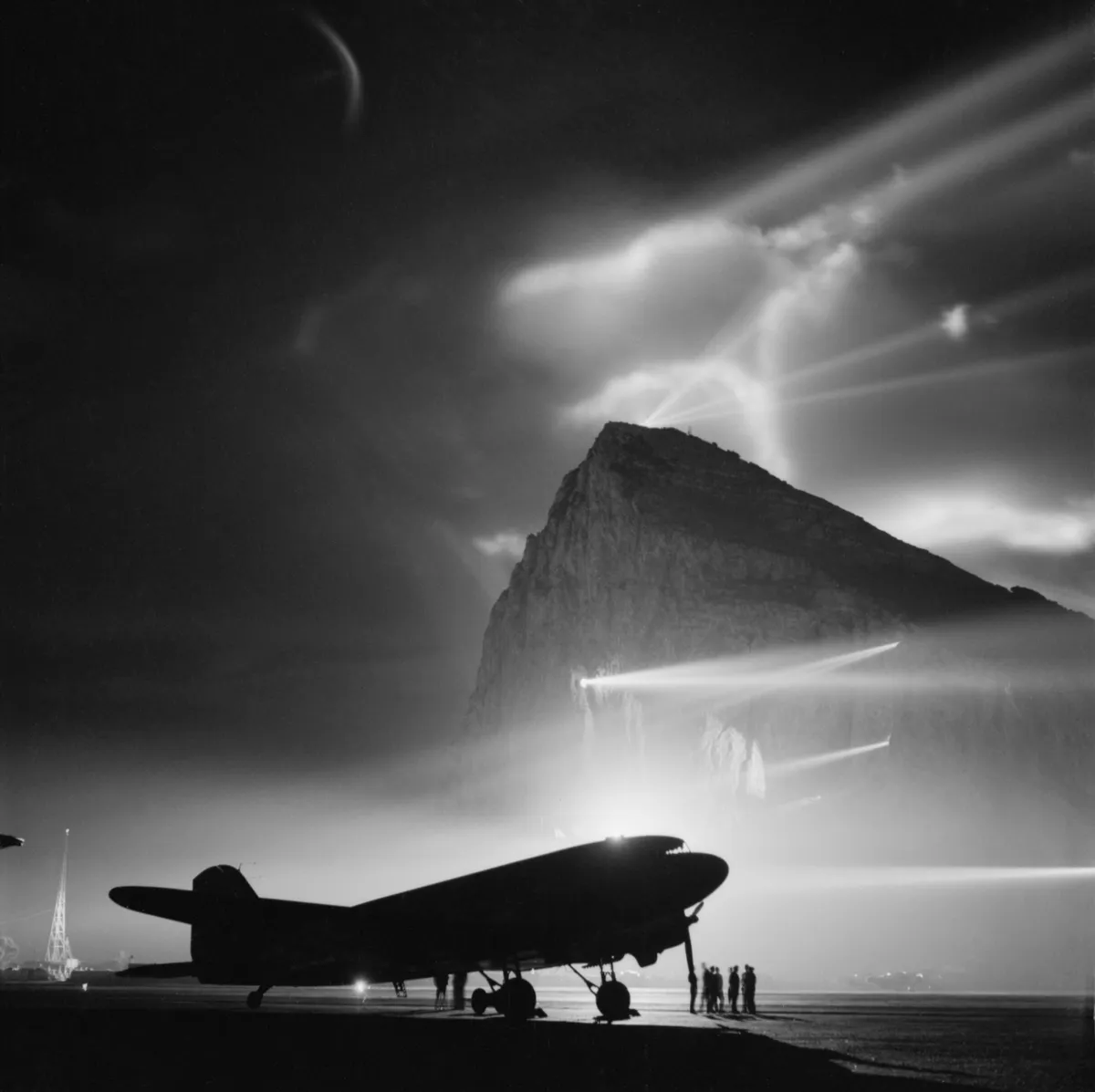
Image: Christian Volpati via Wikimedia Commons (GFDL 1.2)
DC-3 / C-47 Skytrain
Designation: DC-3 / C-47
Why it matters
The DC-3 is arguably the most important aircraft ever built. It proved that airlines could make money moving passengers. The military C-47 version dropped paratroopers over Normandy, supplied the Berlin Airlift, and flew the Hump to China.
General Eisenhower called it one of the four weapons that won the war. And here's the remarkable part — some are still flying commercially, ninety years after the design was introduced.
Specifications
| Max Speed | 230 mph |
|---|---|
| Range | 1,500 miles |
| Service Ceiling | 26,000 ft |
| Engine | 2x Pratt & Whitney R-1830 Twin Wasp radials |
| Power/Thrust | 1,200 hp each |
| Wingspan | 95 ft |
| Length | 64 ft 6 in |
| Crew | 3 |
| Production | 16,079 built (all variants) |
| First Flight | 1935-12-17 |
| Service Dates | 1936-present |
Notable Features
- Revolutionary all-metal monocoque construction
- 21-28 passengers
- Retractable landing gear
- Still flying commercially 90 years later
Patina notes
DC-3s that have flown for decades show the patina of continuous service. The riveted aluminum skin develops a characteristic sheen. Control yokes are worn smooth from pilot hands.
Cargo floors show the evidence of millions of pounds of freight. The aircraft that are still working — in Alaska, South America, Africa — look like they've earned every hour.
Preservation reality
Hundreds of DC-3s remain flying worldwide. Some still operate commercially in remote areas where their ruggedness and short-field capability remain valuable.
Restored examples are popular with collectors and museums. Parts are available because so many were built. Operating costs are reasonable by warbird standards. The DC-3 community is large and active.
Where to see one
- • National Air and Space Museum
- • National Museum of the US Air Force
- • Henry Ford Museum
- • Any major airshow
- • Still operating commercially in remote regions
Preservation organizations
- • DC-3 Airways
- • Historic Flight Foundation
Sources
- Boeing DC-3 History (2026-02-03)
- National Air and Space Museum (2026-02-03)