SR-71 vs U-2: Two Ways to Spy From the Edge of Space
Both flew higher than anything else in the sky. One relied on speed, the other on endurance. Both demanded everything from their crews.
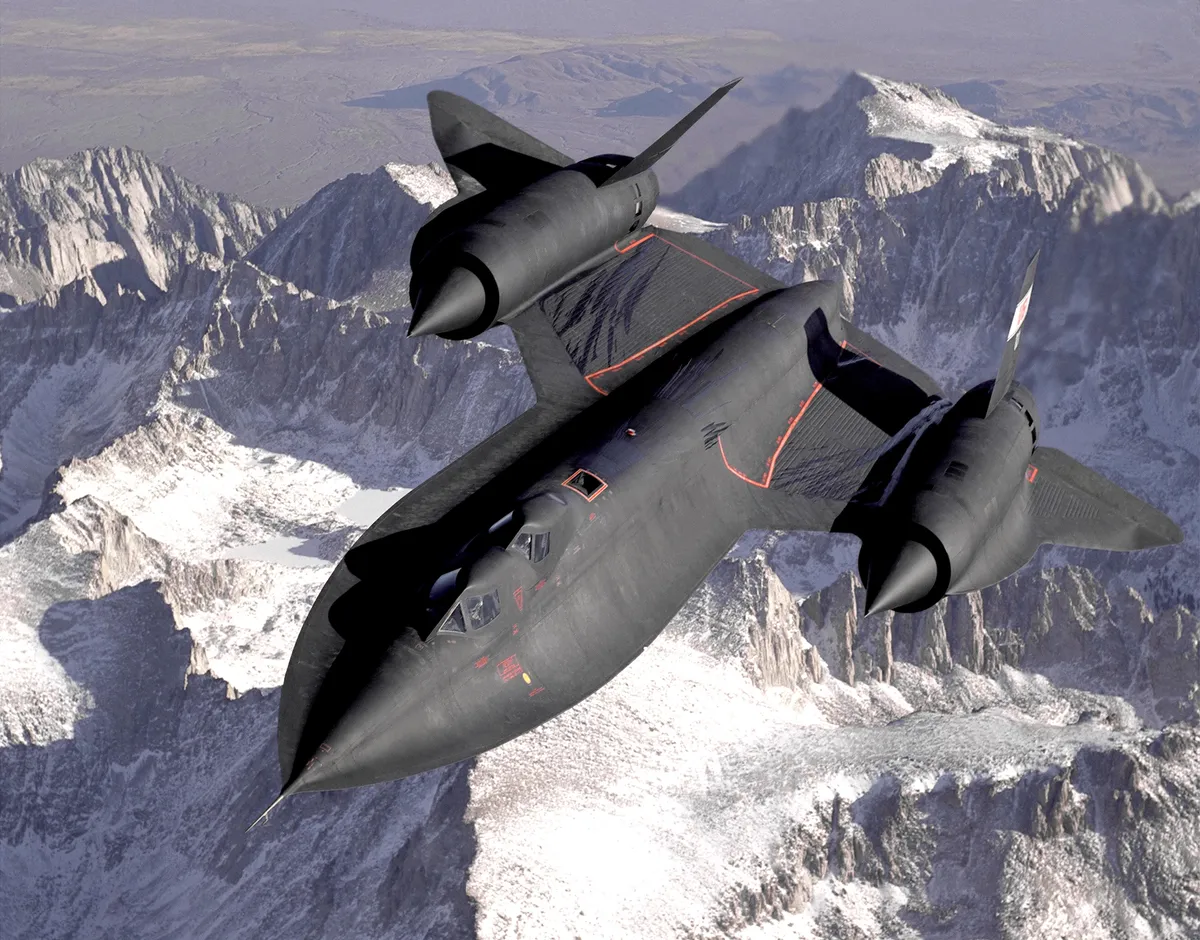
SR-71 Blackbird
The SR-71 Blackbird still looks like science fiction sixty years after its first flight. Kelly Johnson's Skunk Works built an aircraft that could cruise at Mach 3+ and 85,000 feet — so high and fast that no missile or interceptor ever caught one. The titanium skin expanded inches during flight from heat. It leaked fuel on the ground because seals only sealed at temperature. When the Air Force retired it in 1998, nothing could catch it. Nothing can today.
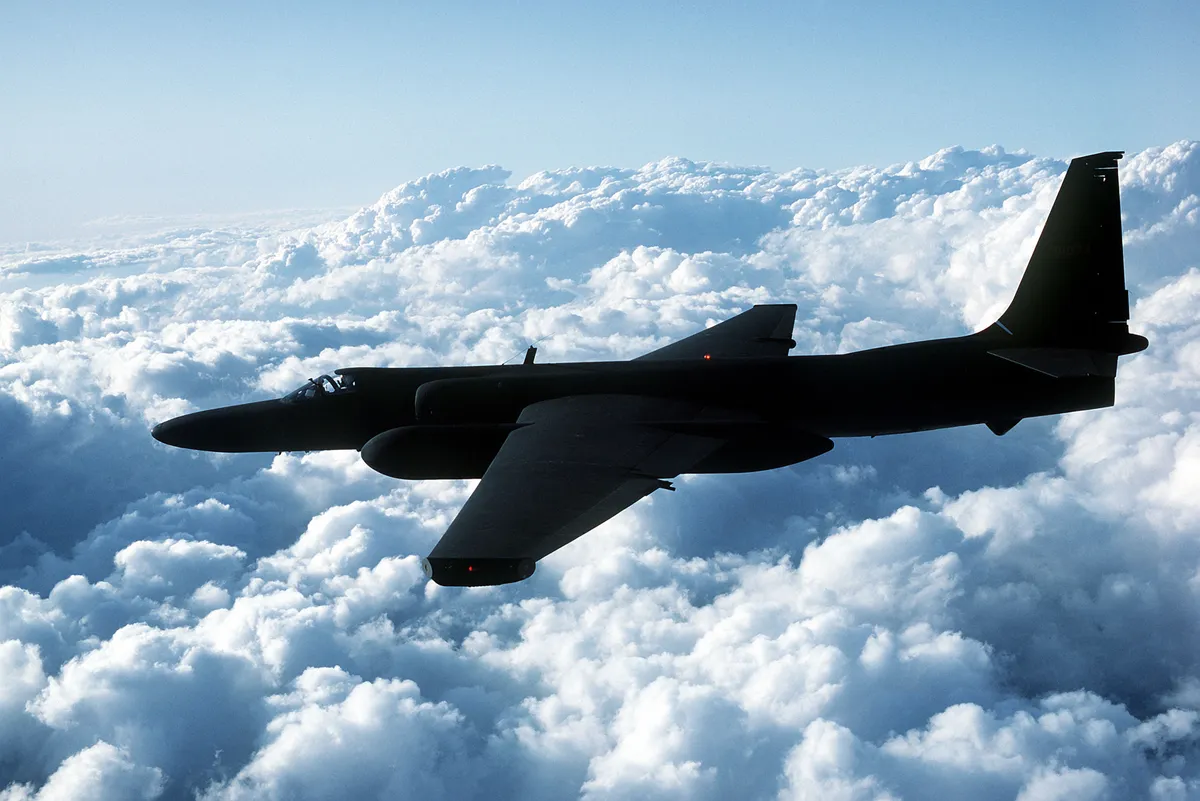
U-2 Dragon Lady
Kelly Johnson's Skunk Works built the U-2 in 80 days — a high-altitude reconnaissance platform that could overfly the Soviet Union with impunity. Until Gary Powers was shot down in 1960. The U-2 discovered Soviet missiles in Cuba, triggering the Cuban Missile Crisis. Remarkably, the aircraft is still flying, upgraded and still invaluable for intelligence gathering.
The SR-71 Blackbird and U-2 Dragon Lady are both Lockheed Skunk Works reconnaissance platforms designed to operate at the edge of space. That's where the similarities end. The SR-71 solved the survivability problem with speed — nothing could catch it. The U-2 solved it with altitude — nothing could reach it (until Gary Powers proved otherwise). Both are still legendary, but they represent fundamentally different philosophies of reconnaissance, engineering, and human endurance.
Specifications
SR-71 Blackbird
| Max Speed | Mach 3.32 (2,193 mph) |
|---|---|
| Range | 2,900 nm |
| Ceiling | 85,000 ft |
| Engine | 2x Pratt & Whitney J58-P4 turbo-ramjets |
| Crew | 2 |
| Wingspan | 55 ft 7 in |
| Length | 107 ft 5 in |
U-2 Dragon Lady
| Max Speed | 500 mph |
|---|---|
| Range | 6,000 miles |
| Ceiling | 70,000+ ft |
| Engine | General Electric F118-GE-101 |
| Crew | 1 |
| Wingspan | 103 ft |
| Length | 63 ft |
Head to head
Speed
BlackbirdNot close. The SR-71 cruised at Mach 3.2 (2,193 mph). The U-2 maxes out at 500 mph. The Blackbird could cross the Atlantic in under two hours. The U-2 takes the scenic route.
Altitude
LadyThe U-2 operates above 70,000 feet, slightly higher than the SR-71's typical cruise altitude of 85,000 feet. Wait — the SR-71 wins on raw ceiling. But the U-2's altitude advantage is that it loiters there for twelve hours, not three.
Endurance
LadyTwelve-hour missions for the U-2 versus three to four hours for the SR-71. The U-2 can stay on station and observe. The SR-71 screams past and photographs everything in a fraction of a second.
Crew Comfort
TieBoth crews wear full pressure suits for the entire mission. Neither can scratch their nose. The SR-71 crew has two people for mutual support. The U-2 pilot is completely alone. The SR-71 cockpit reaches 600 degrees. The U-2 cockpit is freezing. Pick your suffering.
Survivability
BlackbirdNo missile or interceptor ever caught an SR-71. The U-2 was shot down over the Soviet Union in 1960 (Gary Powers) and over Cuba in 1962 (Rudolf Anderson, killed). Speed beats altitude when someone is shooting at you.
Longevity
LadyThe SR-71 was retired in 1998. The U-2 is still operational in 2026, despite repeated attempts by the Air Force to retire it. The U-2 keeps surviving because nothing — not satellites, not drones — can replicate what it does. The Air Force has tried to kill the U-2 program at least five times. It refuses to die.
Engineering Audacity
BlackbirdThe SR-71 was built from titanium bought from the Soviet Union through shell companies (the CIA purchased Soviet titanium to build the spy plane that would fly over the Soviet Union). It leaked fuel on the ground because the panels only sealed at operating temperature. The entire aircraft was a middle finger to physics. The U-2 was brilliant in its simplicity, but the SR-71 was brilliant in its impossibility.
The verdict
There's no winner here because they weren't competing for the same mission. The SR-71 was built for speed over defended territory, getting in and out before anyone could react. The U-2 was built for endurance over areas where loiter time mattered more than velocity. The SR-71 is retired. The U-2 is still flying. That's not a judgment on which was better — it's a reflection of which mission profile still has no satellite replacement. The U-2 can be redirected in real time. Satellites follow fixed orbits. For the human cost, the U-2 wins the endurance award — twelve hours alone in a pressure suit is a different kind of suffering than three hours at Mach 3. But both crews will tell you the same thing: the pressure suit is the real enemy.