Space Race
1957-1972
From Sputnik to Apollo 17. America went from behind to landing on the Moon in twelve years. The spacecraft, boosters, and support systems represent the peak of American engineering ambition.
Historical context
NASA didn't exist when Sputnik launched in 1957. Twelve years later, humans walked on the Moon. The Apollo program employed 400,000 people at its peak. The technology developed — computers, materials, systems engineering — created industries. The artifacts that survive are among the most significant in human history.
Defining characteristics
- • Mercury, Gemini, Apollo programs
- • Saturn V — most powerful rocket ever flown
- • Lunar Module — purpose-built for the Moon
- • Command Module reentry system
- • Mission control and ground support systems
Aircraft from the Space Race
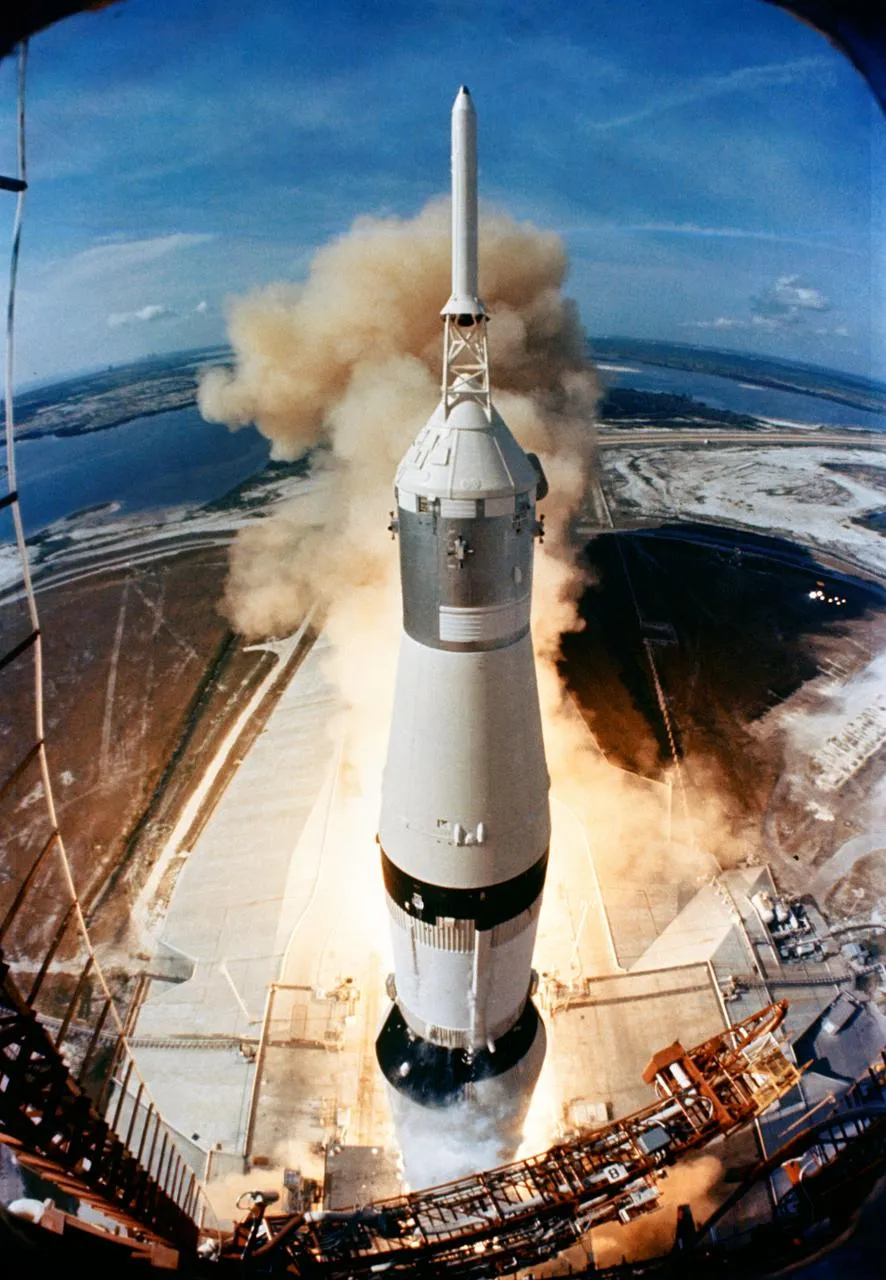
Apollo Command Module
The Apollo Command Module brought astronauts home. Twelve humans traveled to the Moon and back in th...
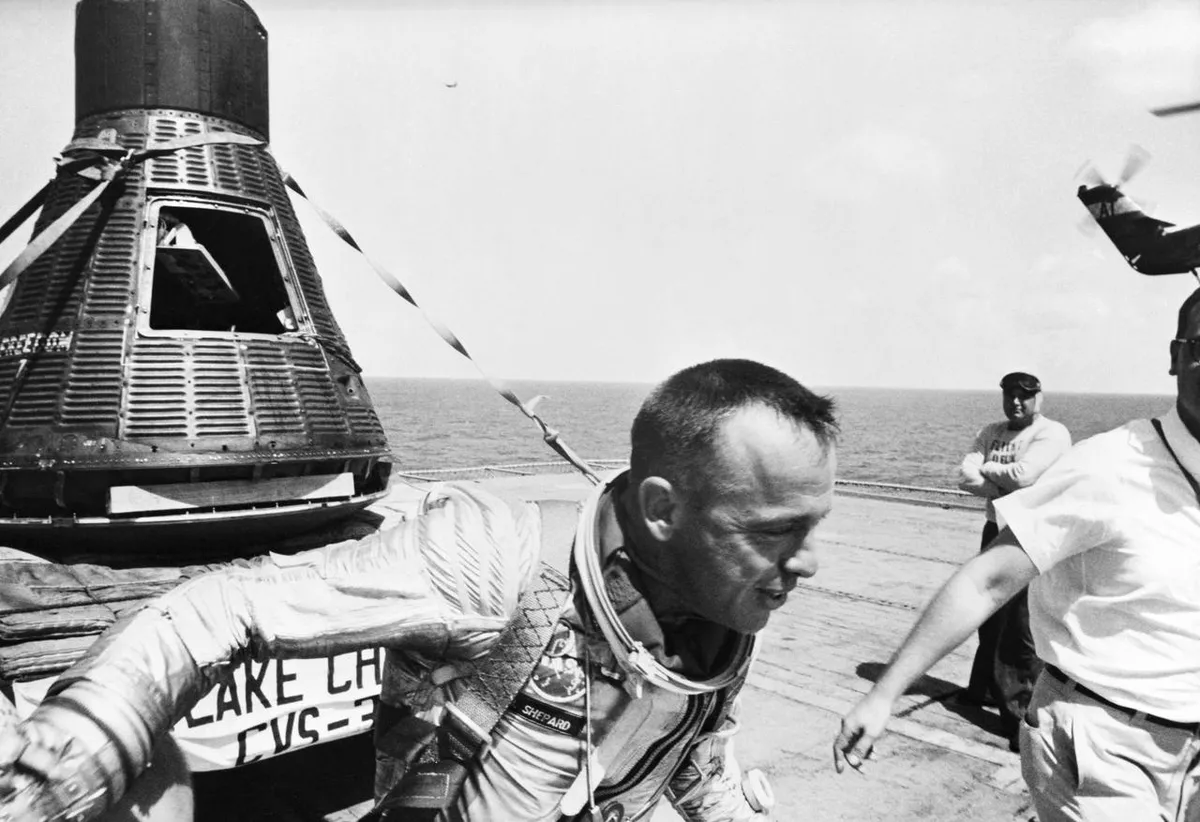
Mercury Spacecraft
Mercury was America's first step into space. Alan Shepard became the first American in space aboard ...
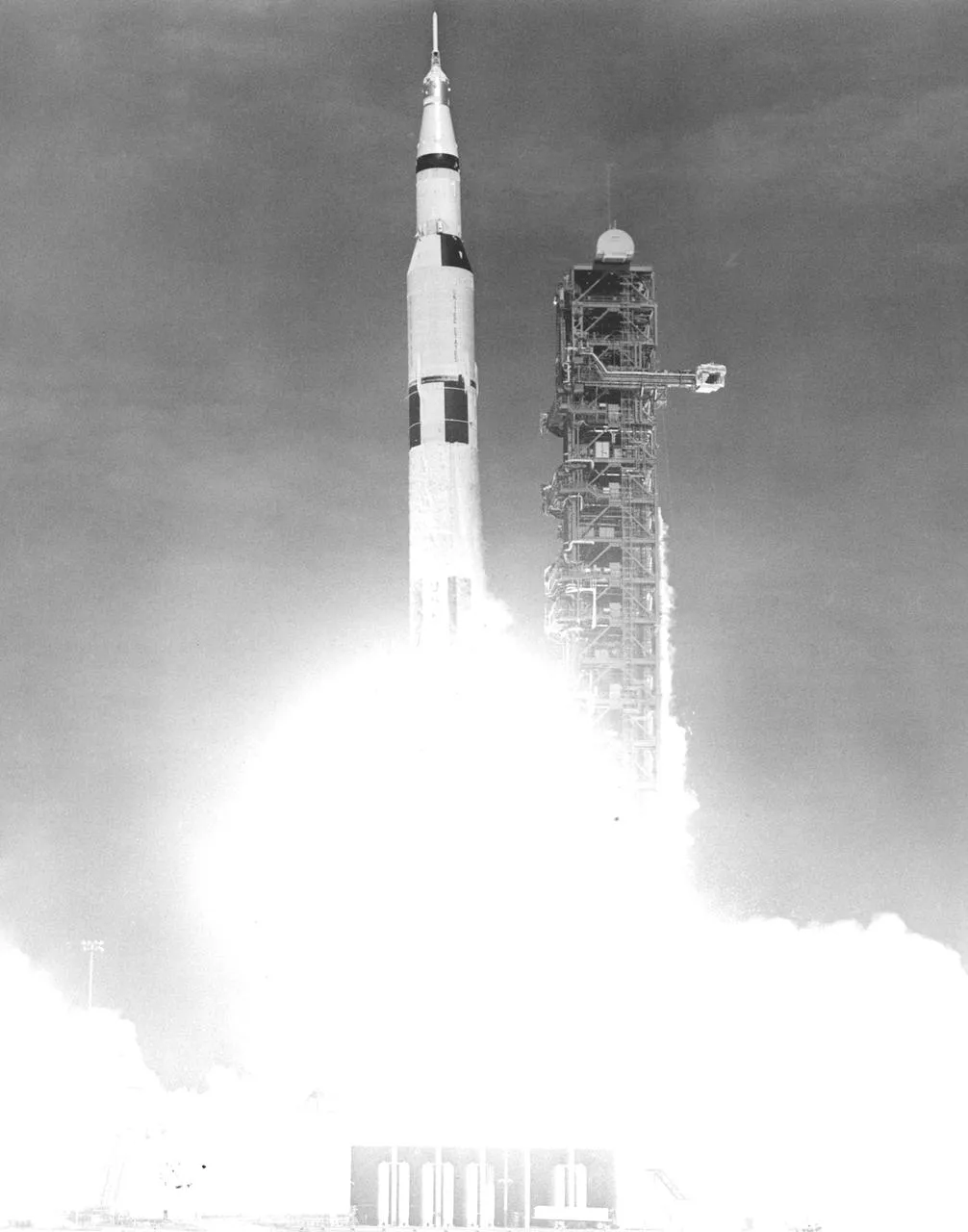
Saturn V
The Saturn V remains the most powerful rocket ever flown. It sent humans to the Moon — all six landi...