airliner
4 aircraft
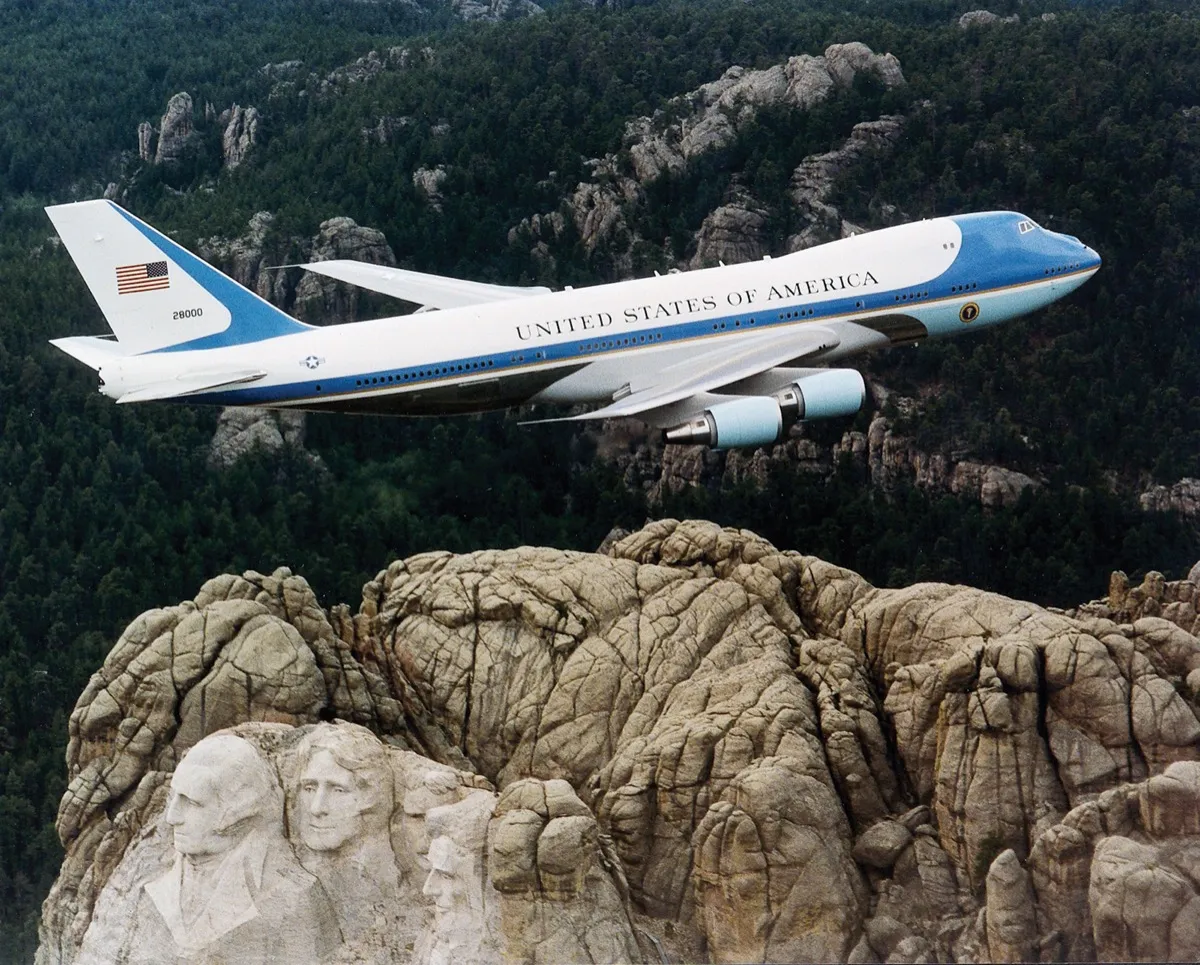
Boeing 747
The Boeing 747 made international travel affordable. Before the jumbo jet, flying across an ocean was expensive enough that most Americans never did it. The 747 doubled the passenger capacity of the largest existing airliners overnight, and the economics of scale brought ticket prices down to where ordinary people could fly to London, Tokyo, or Sydney. Pan Am's Juan Trippe pushed Boeing to build it. Joe Sutter's engineering team designed it in 29 months. It was a bet-the-company gamble for Boeing and it paid off for half a century. The distinctive hump, the four engines, the sheer presence — the 747 is what most people picture when they think 'airplane.' It democratized the world.
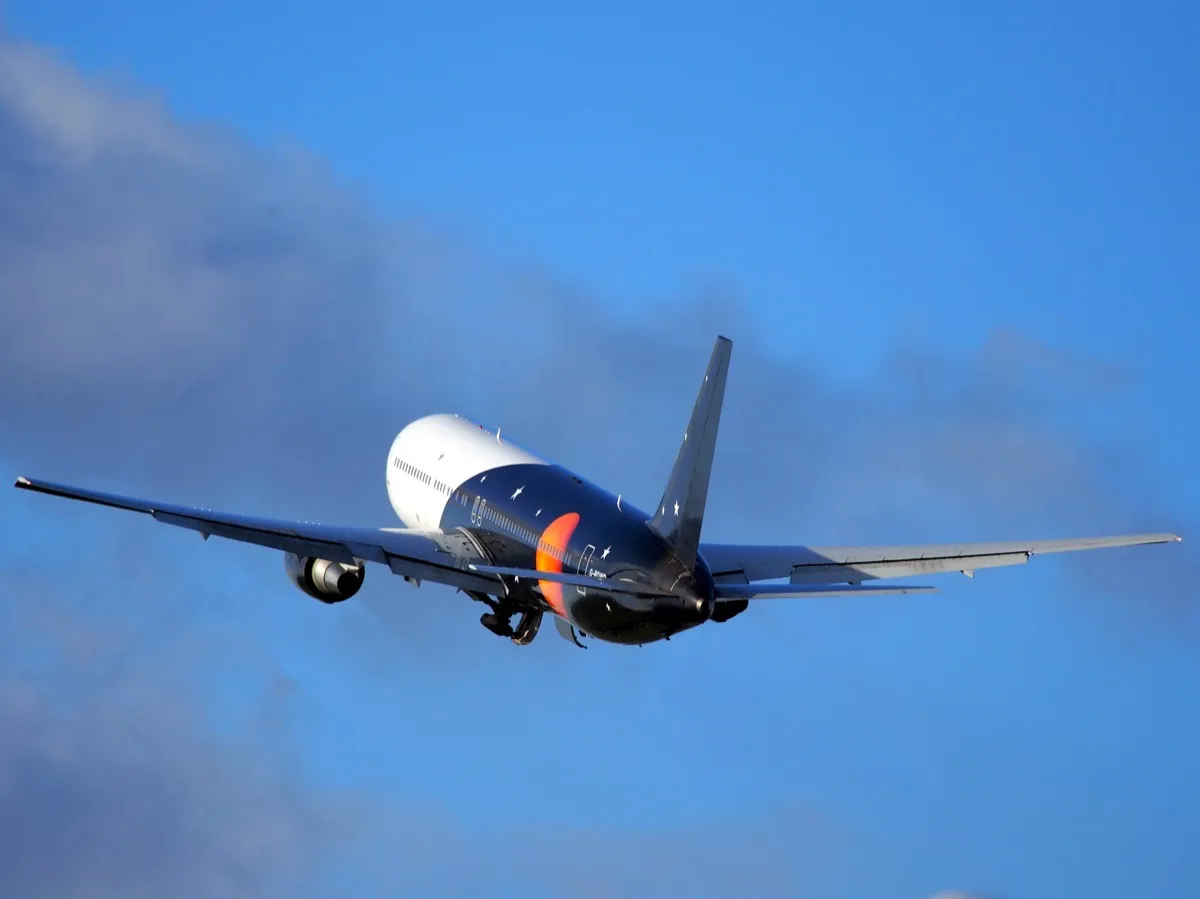
Boeing 767
The 767 quietly killed the four-engine airliner. When it earned ETOPS (Extended-range Twin-engine Operational Performance Standards) certification in 1985, it could fly transatlantic routes that had previously required four engines. The economics were devastating to the 747, L-1011, and DC-10 — two engines burn less fuel than four. The 767 proved that twin-engine widebodies were safe, reliable, and profitable on long ocean crossings. Every twin-engine widebody since — the 777, 787, A330, A350 — follows the path the 767 blazed. It's still being produced as the KC-46 military tanker and the 767 Freighter. Not bad for an aircraft that most people can't distinguish from a 757.
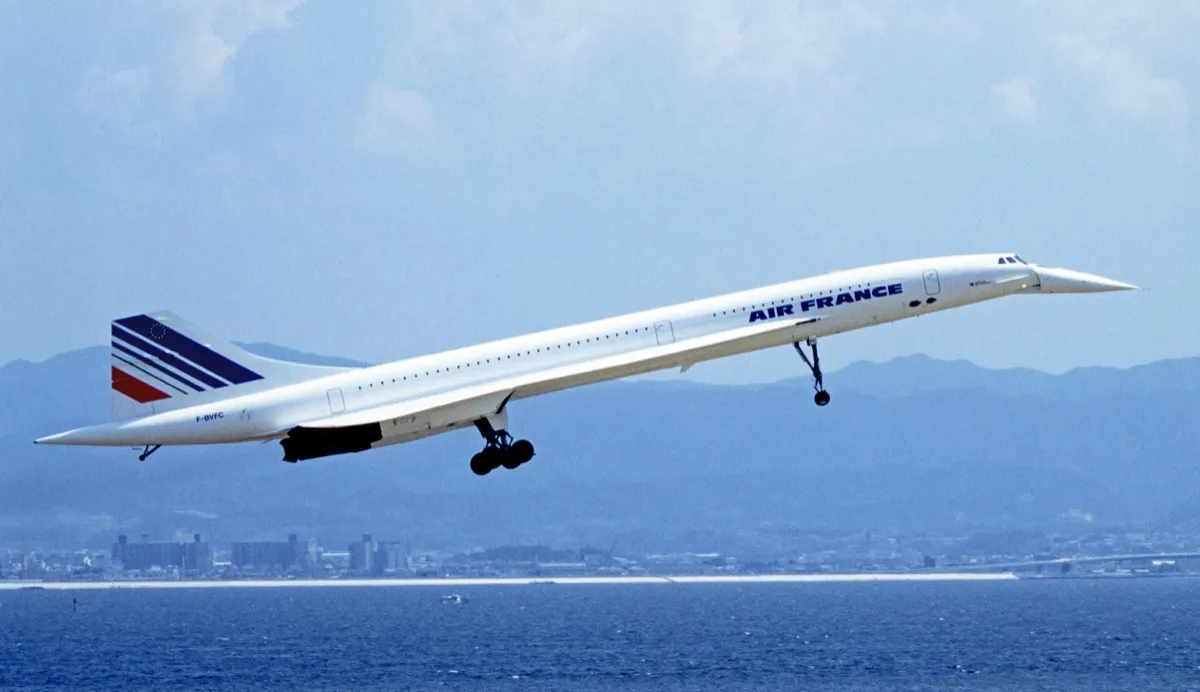
Concorde
Concorde is the only supersonic airliner that actually worked. The Soviets built the Tu-144, which crashed and was grounded. The Americans never got past the drawing board. The Anglo-French consortium built Concorde, flew it for 27 years, and proved that Mach 2 commercial travel was possible. It was gorgeous, it was loud, it was absurdly expensive to operate, and nothing has replaced it. When Concorde retired in 2003, the world got slower. Two decades later, we still can't do what this 1960s design did routinely.
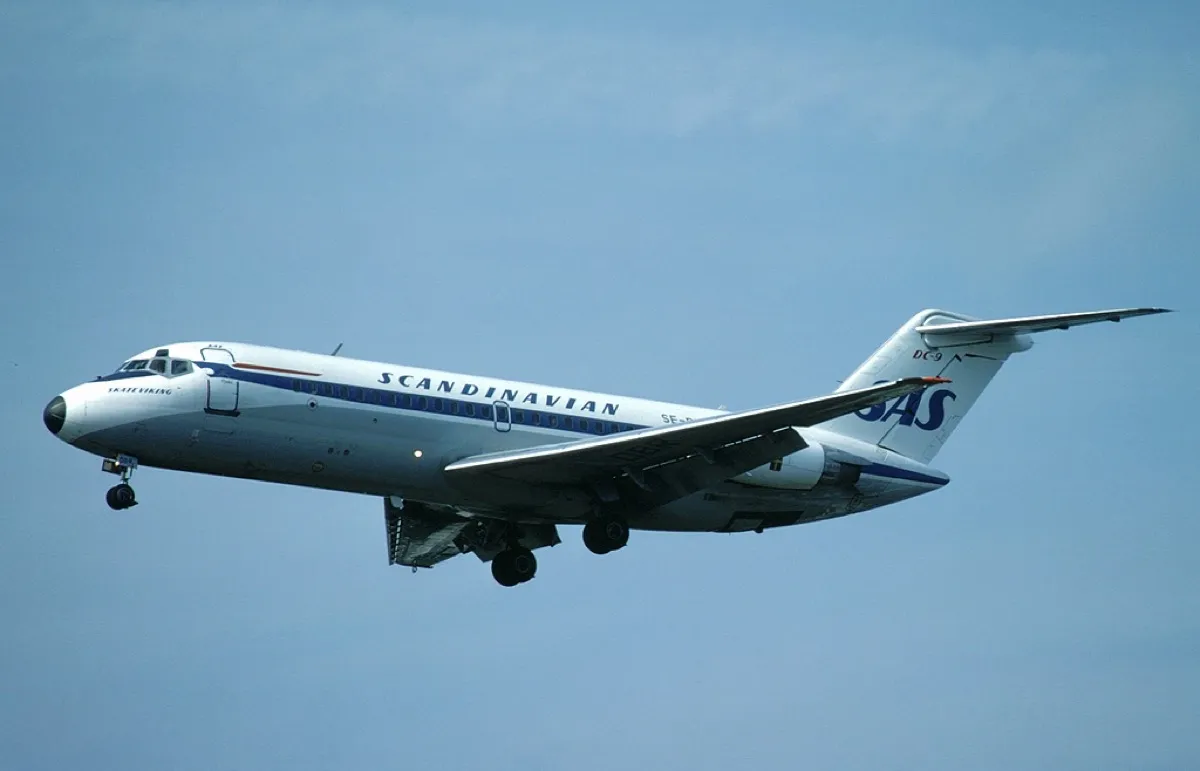
Douglas DC-9
The DC-9 democratized air travel. Before it, jets were for major airports with long runways and full ground support. The DC-9 could operate from short runways, carry its own boarding stairs, and serve the hundreds of smaller cities that the big jets couldn't reach. It brought jet service to places that were still using propliners. The design was so good that it kept being stretched and refined for decades — the MD-80, MD-90, and Boeing 717 are all descendants. The total DC-9 family line produced over 3,400 aircraft. When people say aviation connected America, a huge part of that was the DC-9 serving cities that the 707s and 747s flew over.