general aviation
6 aircraft
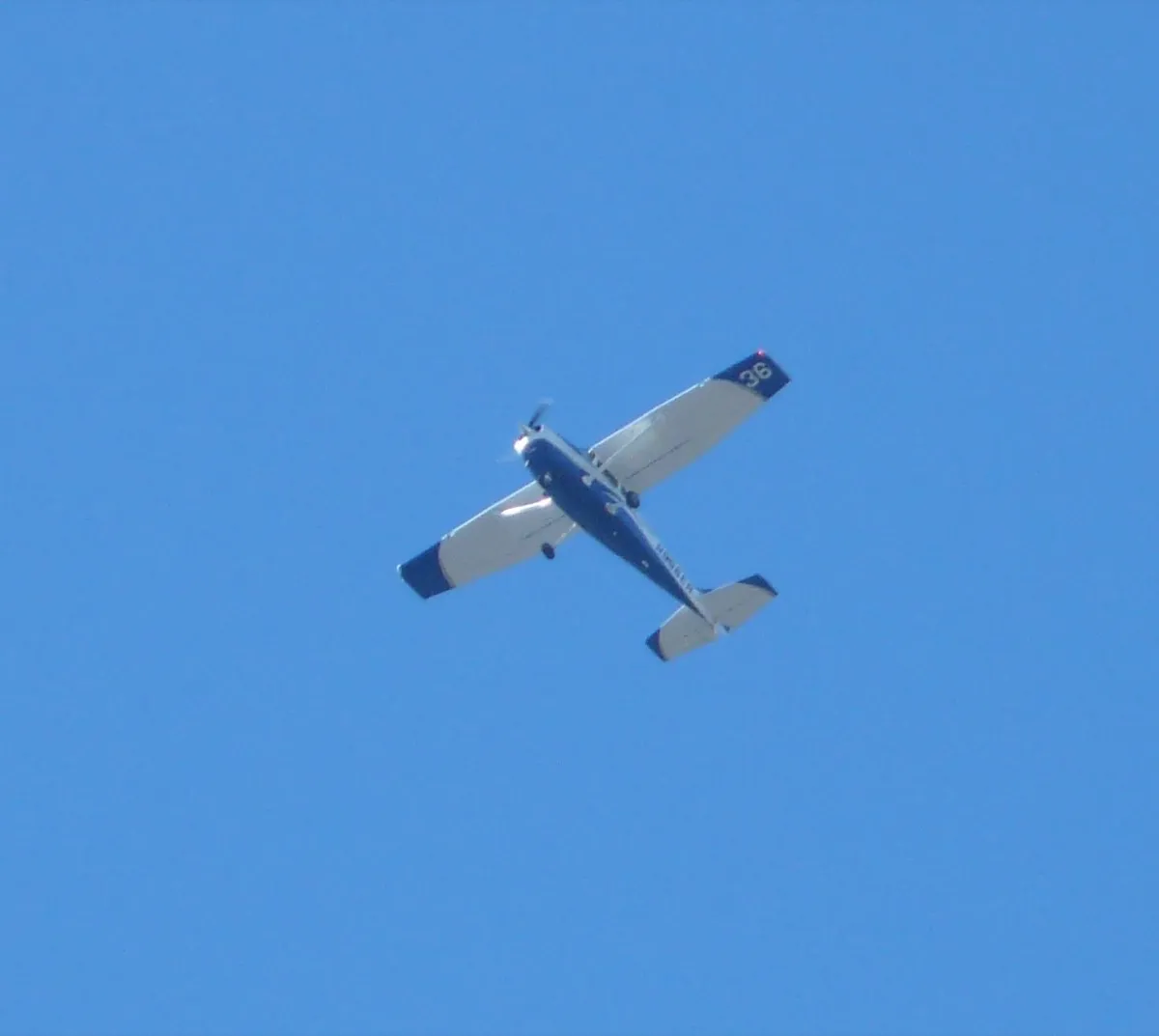
Cessna 172 Skyhawk
Forty-four thousand. That's how many Cessna 172s have rolled off the line since 1956, making it the most produced aircraft in history by a wide margin. The 172 is the Honda Civic of aviation: not the fastest, not the sexiest, not the most capable. Just the most trusted. If you hold a pilot's license, you almost certainly learned in one. If you've ever ridden in a small plane, it was probably a 172. The design is so fundamentally right that Cessna has been building essentially the same airplane for nearly 70 years and nobody's come up with a reason to stop. In 1958, two guys kept one airborne for 64 days straight just to prove a point. The point was made.
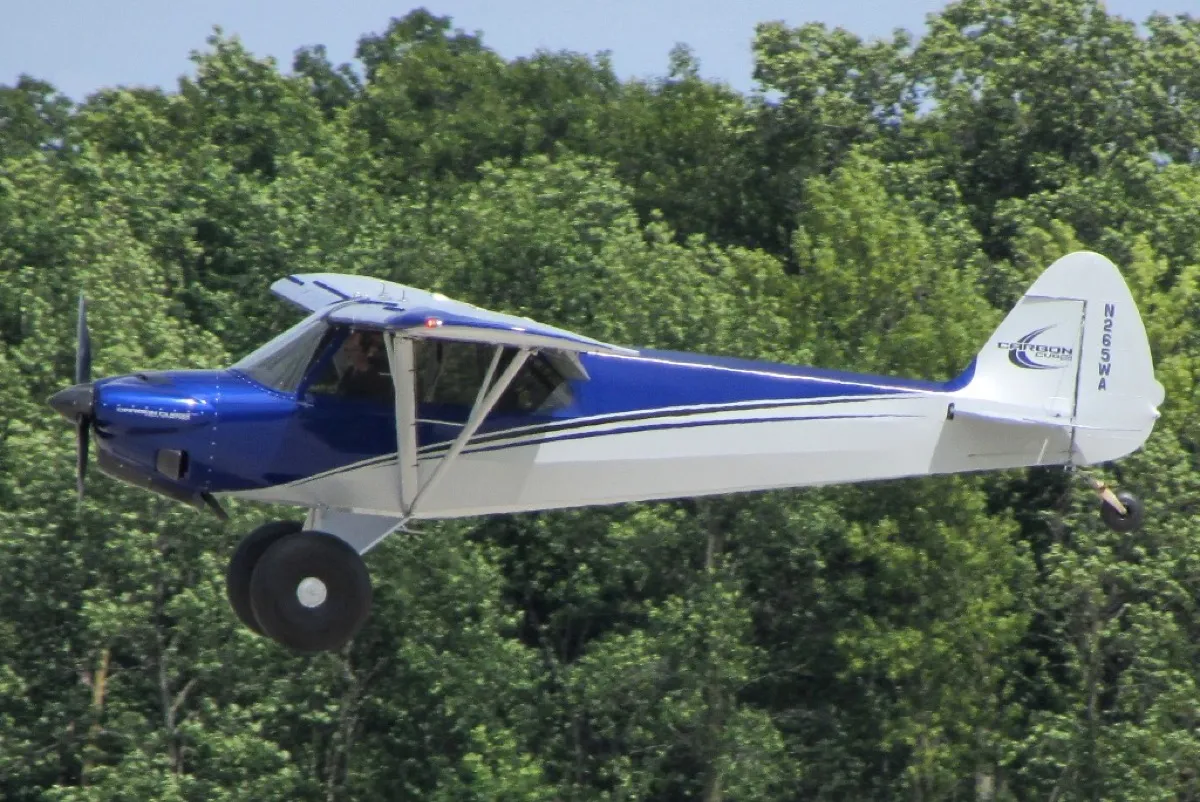
CubCrafters Carbon Cub SS
The Carbon Cub is what happens when someone takes the soul of the J-3 Cub and rebuilds it with modern materials and zero nostalgia tax. CubCrafters in Yakima, Washington, started with the Cub's basic formula (tandem seats, tailwheel, big wing) and re-engineered every piece of it. Carbon fiber construction. A purpose-built 180-hp engine. Vortex generators. The result takes off in under 100 feet, lands on a gravel bar the size of a tennis court, and makes the whole thing look casual. Those YouTube videos of Alaska STOL competitions where planes hop off the ground in absurdly short distances? A lot of those are Carbon Cubs. It's the Cub ethos without the Cub compromises.

de Havilland Canada DHC-2 Beaver
The Beaver is THE bush plane. Full stop. De Havilland Canada designed it by literally asking bush pilots what they needed: big radial engine for reliability in cold weather, STOL performance for short lakes and gravel bars, enough cabin space to haul people and cargo into places that don't have roads. The result was so perfectly suited to its mission that Alaska essentially runs on Beavers to this day. Float-equipped Beavers connect communities that would otherwise be completely isolated. The Canadian engineering society named it one of the top ten Canadian engineering achievements of the 20th century, alongside the Canadarm and the Blackberry. They were right about two out of three.
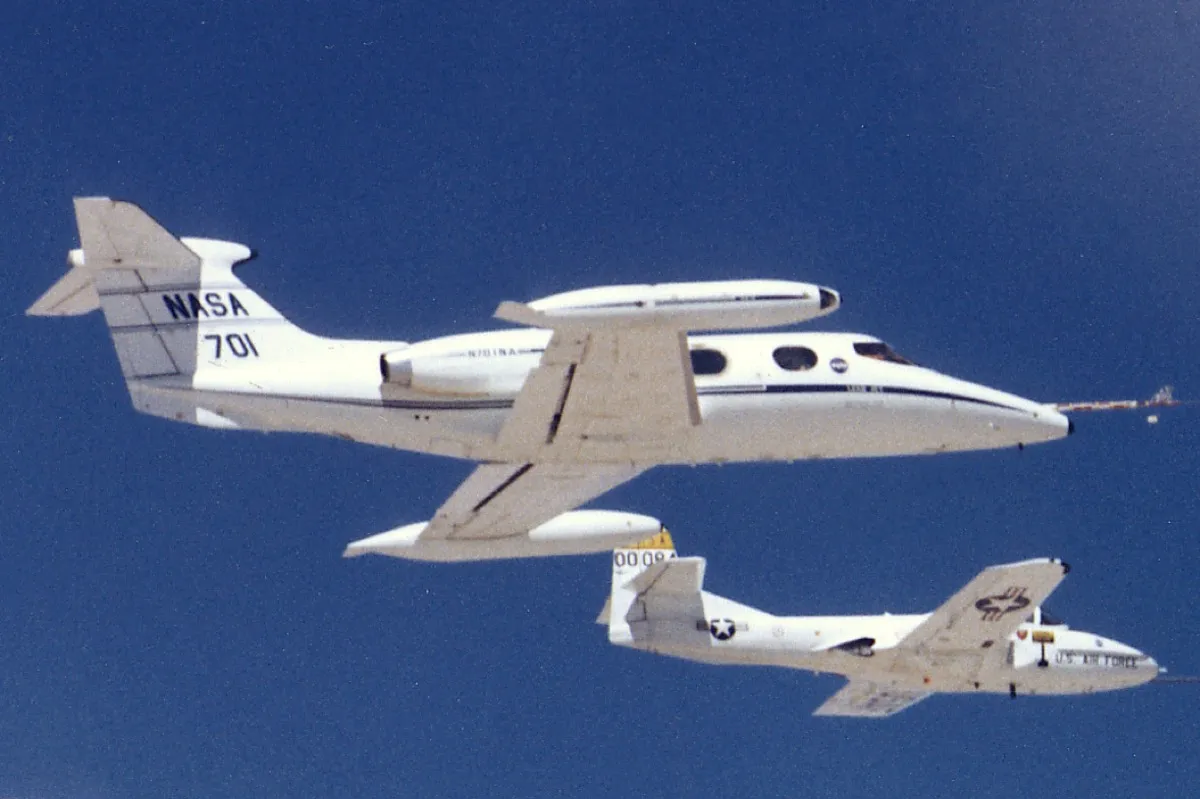
Learjet 23
Before the Learjet, if you were a CEO who wanted to fly private, you chartered a turboprop and pretended it was glamorous. Bill Lear changed that with a jet so fast and sleek it made everything else look like a station wagon. The 23 was derived from a Swiss fighter jet design, which explains why it could outclimb a 727 and cruise at 45,000 feet. Only 104 were built, but they proved the concept so thoroughly that 'Learjet' became a generic word for private jet. Every Gulfstream, Citation, and Falcon owes a debt to this stubborn, beautiful machine and the obsessive genius who willed it into existence.
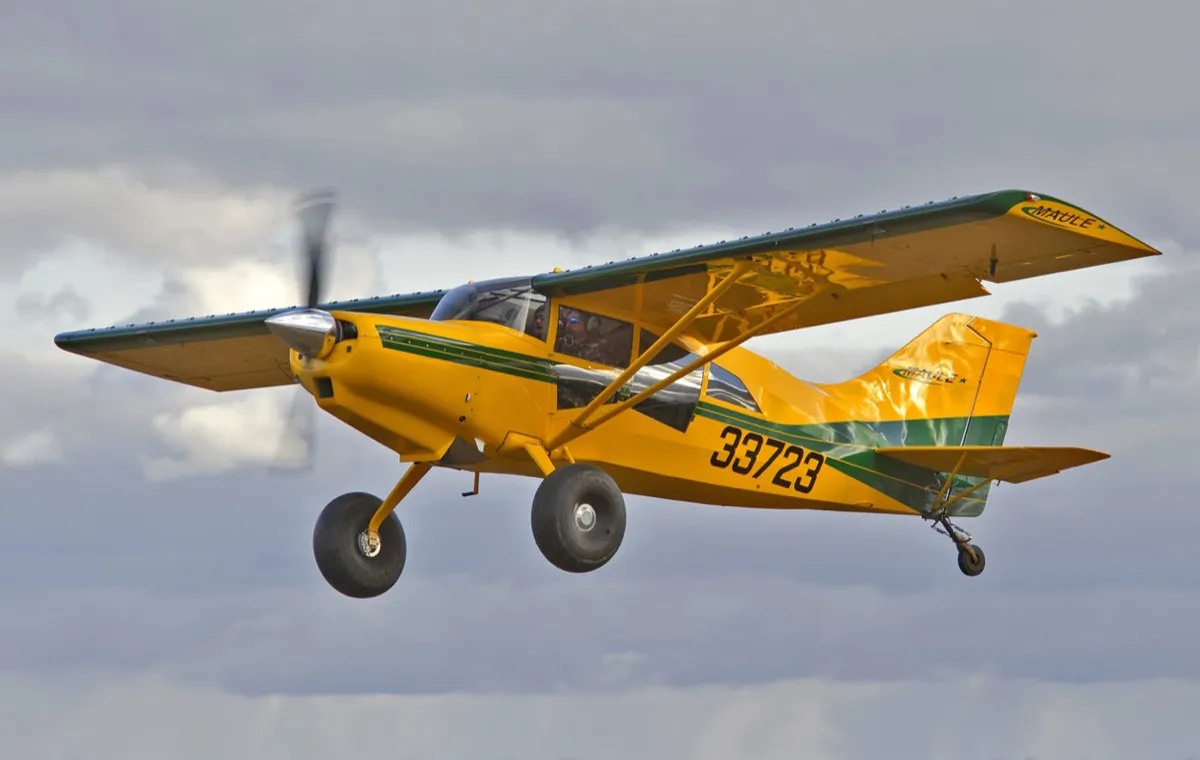
Maule M-7
The Maule M-7 is the working person's bush plane, built by hand in a small factory in Moultrie, Georgia, by people who have been doing it since B.D. Maule started the company in 1962. There's no corporate parent, no design-by-committee, no MBA deciding which corners to cut. Just a fabric-covered, steel-tube taildragger that can operate on floats, skis, amphibious floats, or those absurd tundra tires that make it look like it's wearing sneakers. The M-7 doesn't get the glamour of a Beaver or the YouTube fame of a Carbon Cub. It just goes to work. Every day. In places where going to work means crossing a mountain range to reach a gravel strip that barely qualifies as one.
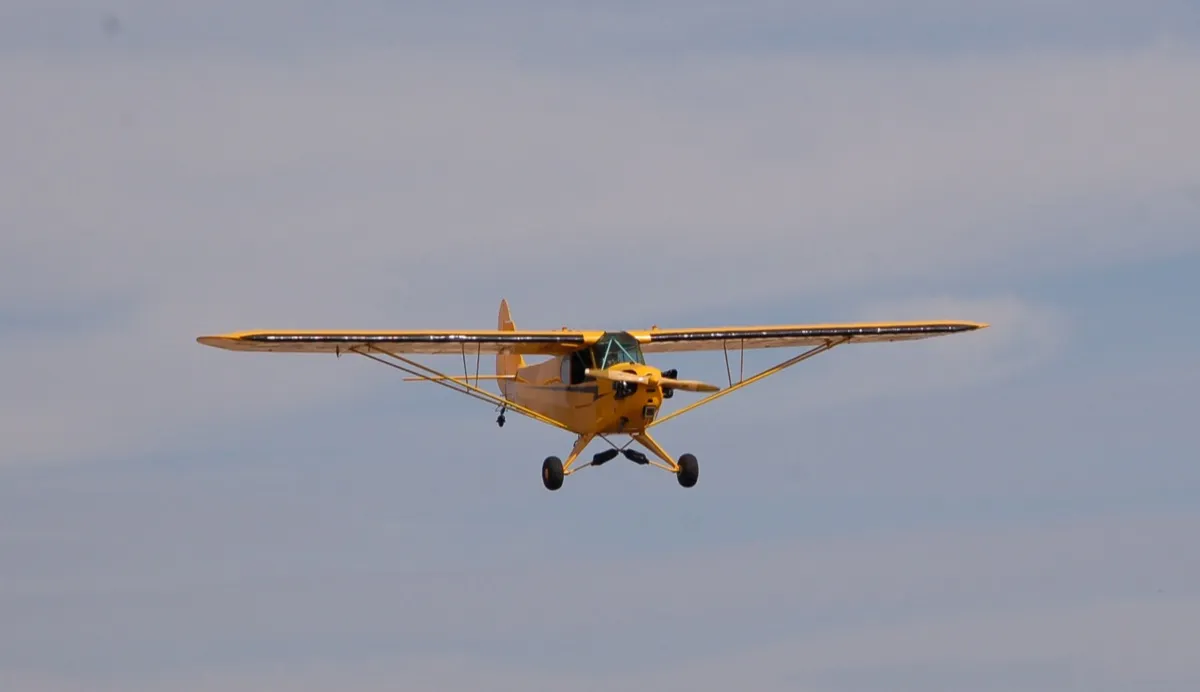
Piper J-3 Cub
The J-3 Cub is where American aviation became personal. Before the Cub, flying was for the military, airlines, and barnstormers. The Cub put flying within reach of ordinary people. Nearly 20,000 were built, and they trained a generation of pilots through the Civilian Pilot Training Program just in time for World War II. The military version, the L-4 Grasshopper, spotted artillery across Europe. But the Cub's real legacy is simpler than that. It's the airplane that taught America to fly. That yellow silhouette is still the universal symbol for 'small airplane,' and for good reason. There is no more honest flying machine.