transport
6 aircraft
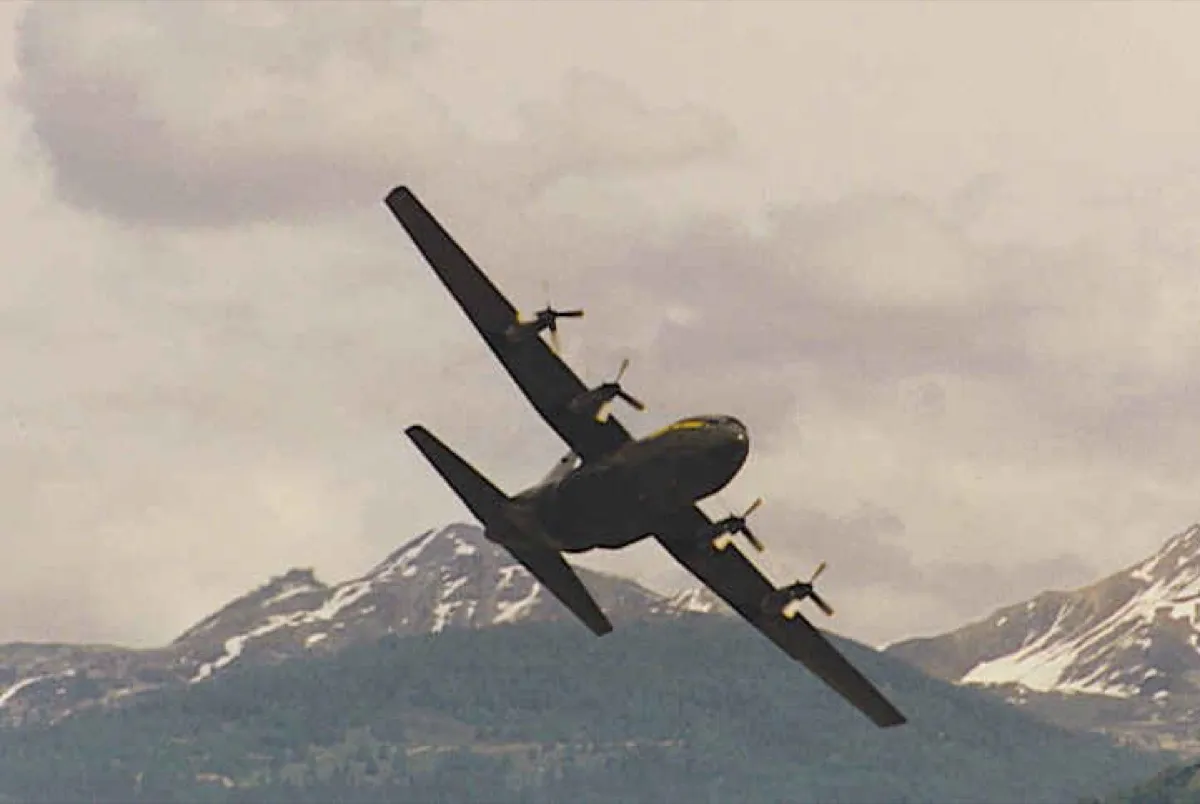
C-130 Hercules
The C-130 Hercules has been in continuous production for over 70 years. That fact alone tells you everything. Lockheed got the design so right in 1954 that nobody has been able to replace it. It lands on dirt strips, Arctic ice, aircraft carriers (without a tailhook), and highways. It fights fires, refuels helicopters, hunts submarines, gunships enemy positions with a 105mm howitzer out the side door, and hauls everything from palletized cargo to humanitarian aid. It's the backbone of every military airlift operation the West has conducted since Eisenhower was president. The AC-130 gunship variant is the most fearsome ground attack platform in the inventory. The MC-130 flies special operations missions that are still classified. And the basic airlifter just keeps showing up wherever things need moving, decade after decade.
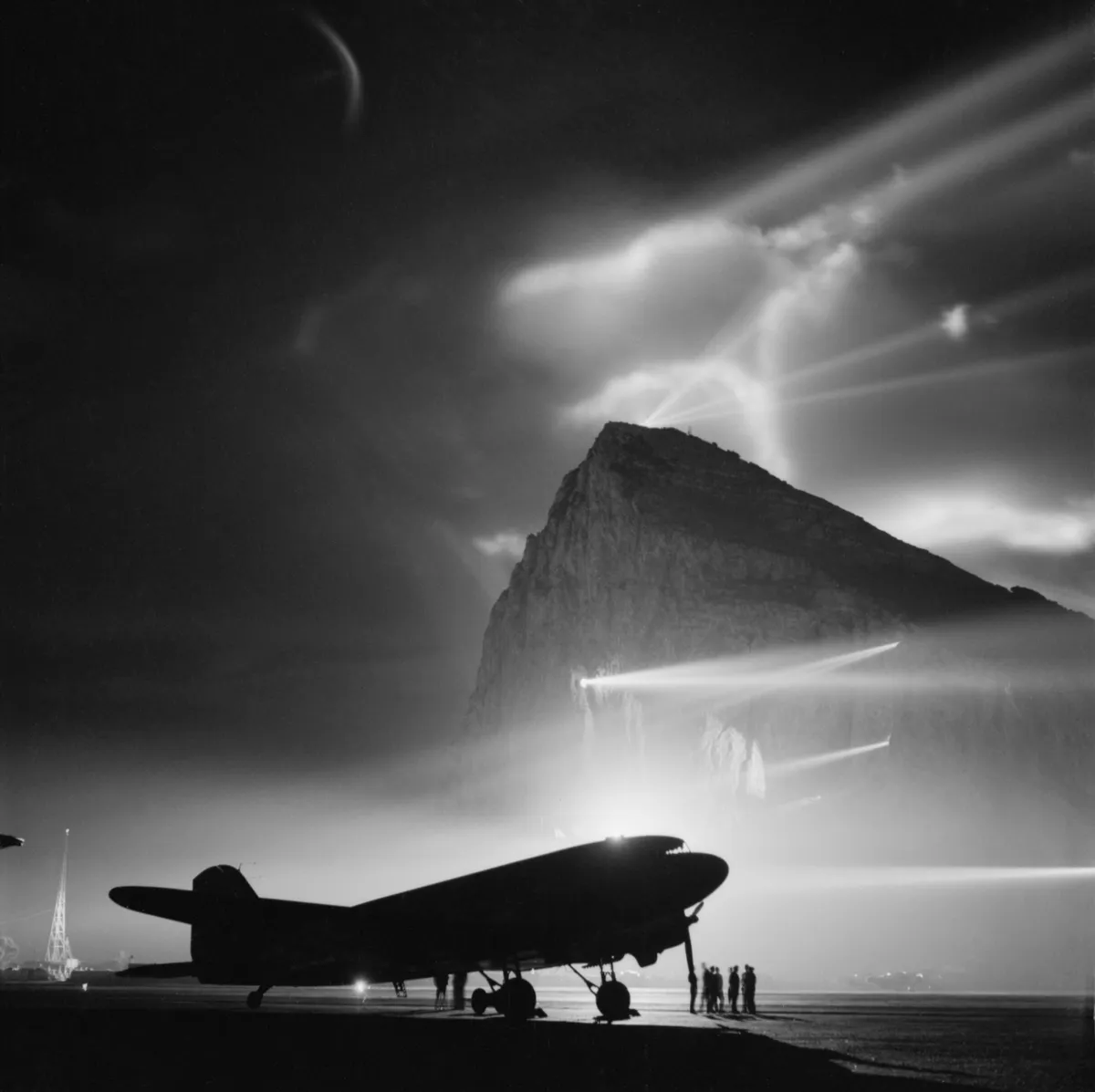
DC-3 / C-47 Skytrain
The DC-3 is arguably the most important aircraft ever built. It proved that airlines could make money moving passengers. The military C-47 version dropped paratroopers over Normandy, supplied the Berlin Airlift, and flew the Hump to China. General Eisenhower called it one of the four weapons that won the war. And here's the remarkable part — some are still flying commercially, ninety years after the design was introduced.
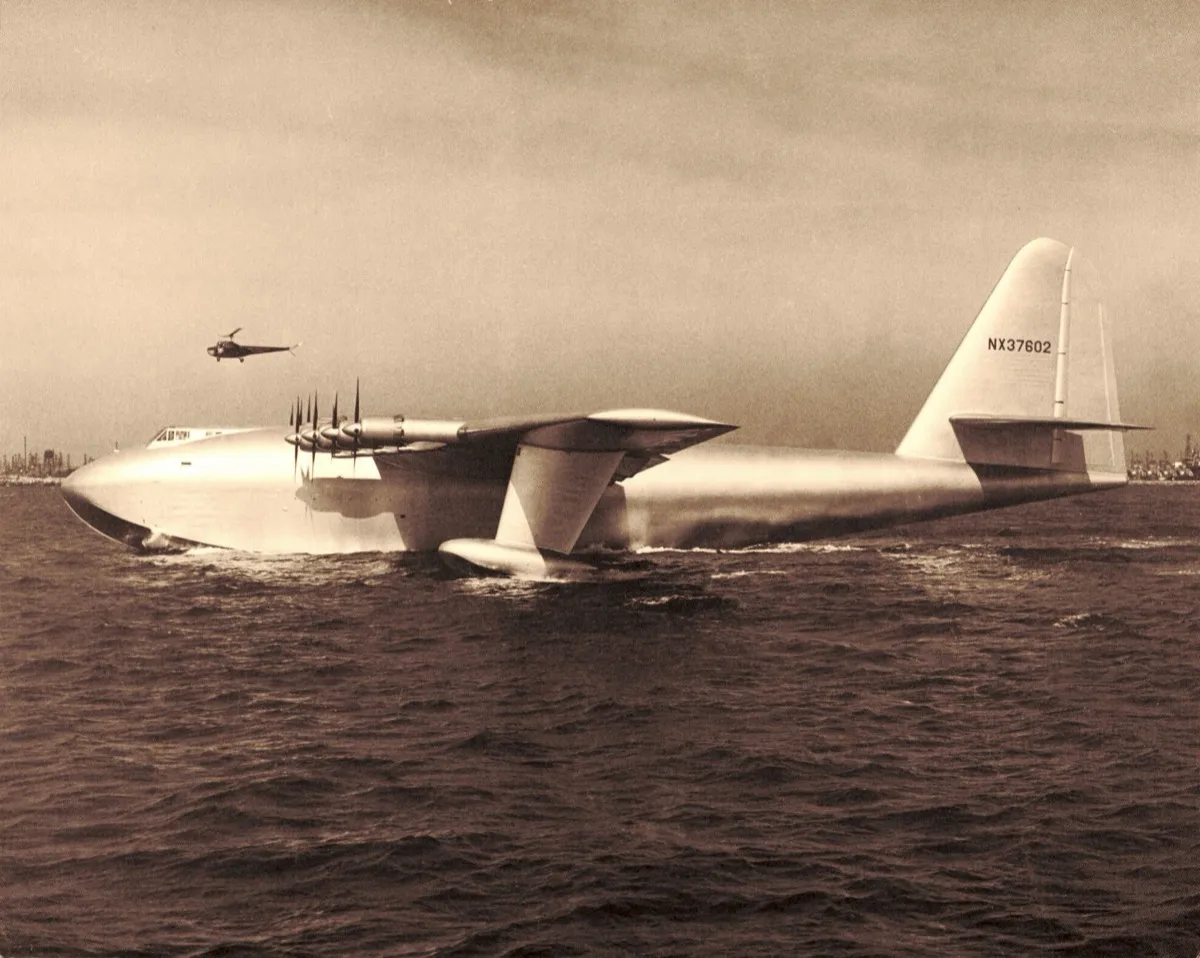
H-4 Hercules (Spruce Goose)
Howard Hughes built the largest airplane ever to fly, and it flew exactly once. The H-4 Hercules was born from a real wartime need — German U-boats were sinking troop transports in the Atlantic, and the government wanted a flying boat that could bypass the submarines entirely. War Production Board restrictions on strategic metals meant it had to be built from wood. Hughes being Hughes, the project ran wildly over budget and past deadline. The war ended before it was finished. Congress hauled Hughes in front of a Senate committee and called it a flying lumberyard. Hughes said he'd leave the country if it didn't fly. On November 2, 1947, with reporters watching, he lifted it off the water of Long Beach Harbor, flew it one mile at 70 feet, and set it down. He never flew it again. Point made.
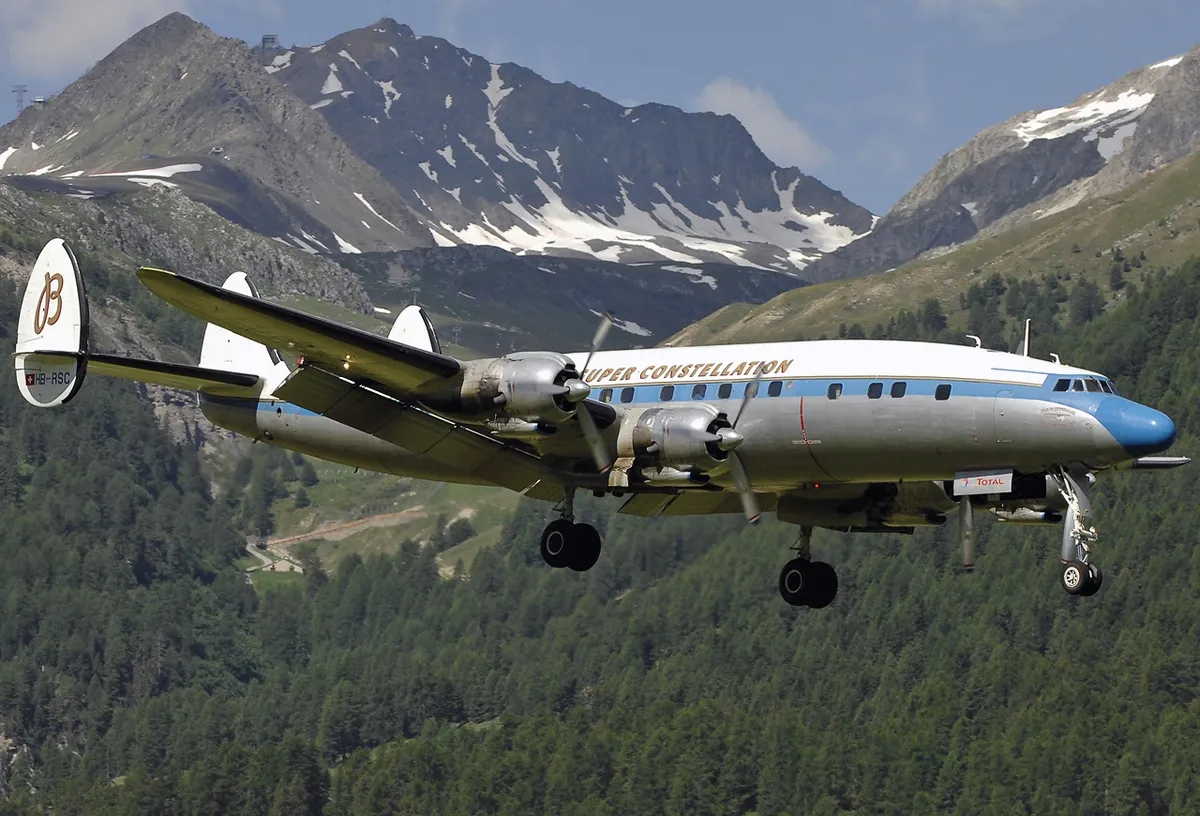
Lockheed Constellation
The Constellation was the most beautiful airliner ever built. That triple tail, the graceful dolphin curve of the fuselage, the elegant proportions — Howard Hughes demanded perfection and Lockheed delivered. The 'Connie' made transatlantic travel glamorous. It was the aircraft of movie stars and presidents. Before jets killed the romance of flight, the Constellation was the pinnacle.
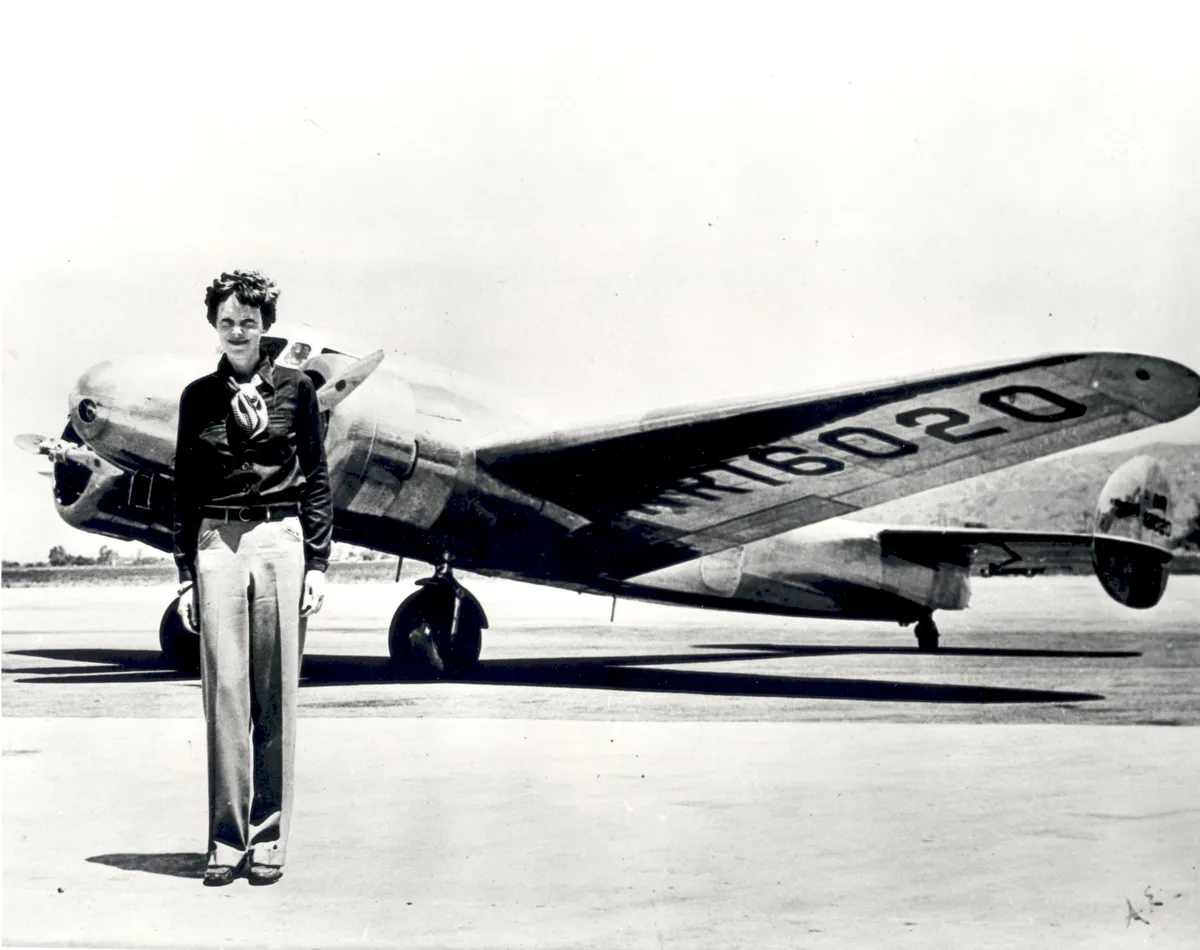
Lockheed Model 10 Electra
The Electra was Lockheed's answer to the Boeing 247 and Douglas DC-2. It was fast, modern, and beautiful. But its place in history was sealed by Amelia Earhart. On July 2, 1937, Earhart and navigator Fred Noonan disappeared over the Pacific in a specially modified 10E during their around-the-world flight attempt. They were never found. The mystery endures nearly ninety years later, making this aircraft a symbol of both aviation's golden age ambitions and its unforgiving risks.
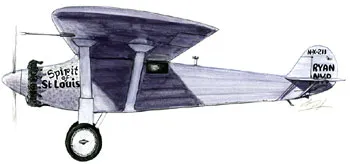
Spirit of St. Louis
On May 20-21, 1927, Charles Lindbergh flew this plane from Roosevelt Field, New York to Le Bourget Field, Paris. Thirty-three and a half hours, alone, across the Atlantic. First solo nonstop transatlantic flight. The world went insane. Lindbergh became the most famous person on Earth. Aviation transformed overnight from dangerous novelty to humanity's future. This single airplane did more to advance public acceptance of flight than any aircraft before or since.