fighter
16 aircraft
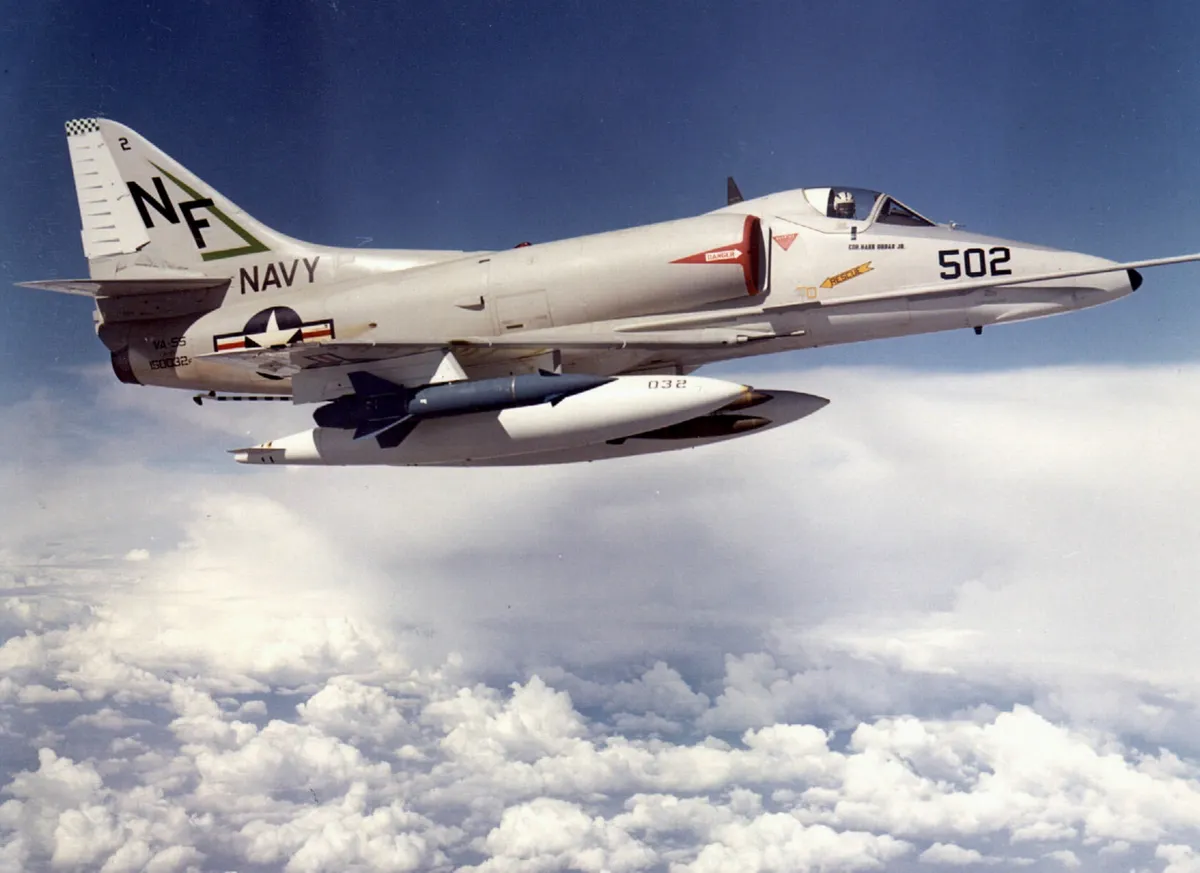
A-4 Skyhawk
Ed Heinemann was told the Navy wanted an attack aircraft half the weight of the A-1 Skyraider. He delivered one that was even lighter. The A-4 Skyhawk was so small it didn't need folding wings to fit on carrier elevators. It was cheap, rugged, and deadly effective. The Blue Angels flew it for 12 years. Israeli pilots flew it in combat. John McCain was shot down in one over Hanoi.
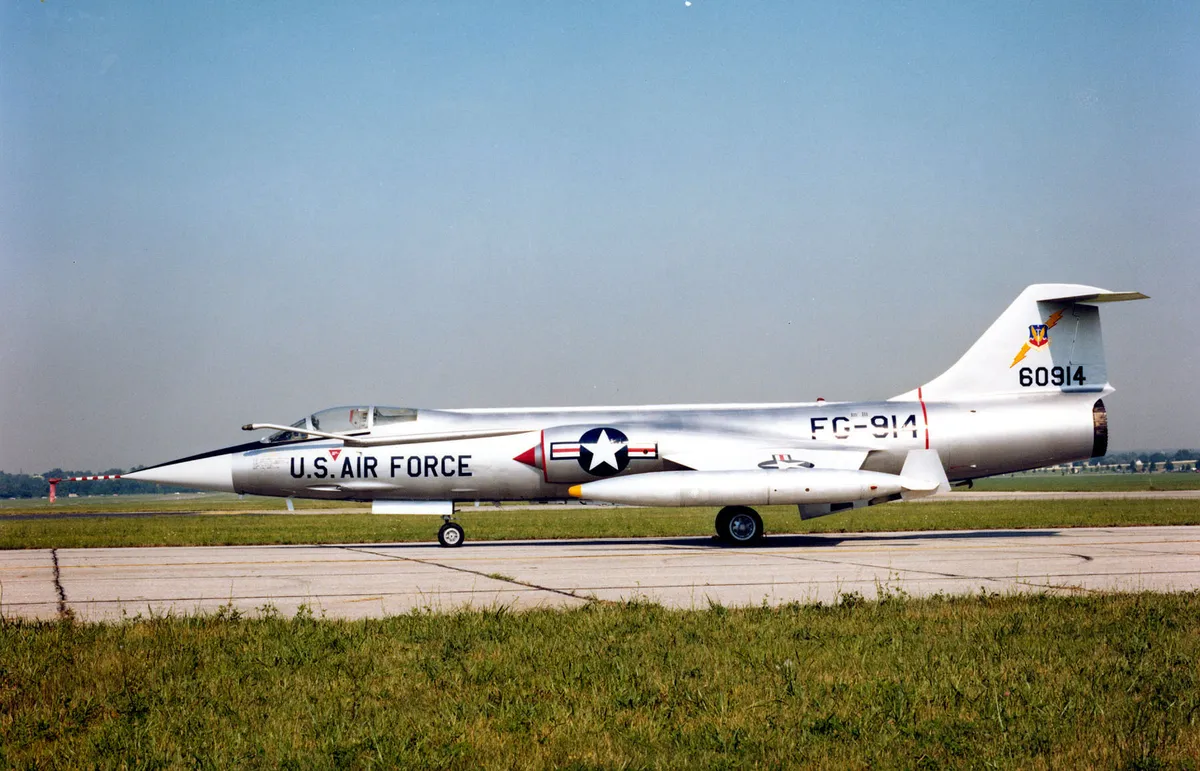
F-104 Starfighter
Kelly Johnson called it 'the missile with a man in it.' The F-104 Starfighter was the purest expression of speed-over-everything design philosophy. Those tiny, razor-sharp wings could cut paper. It set world records for speed and altitude. Test pilots rode it to the edge of space. It was controversial — deadly in Luftwaffe service, legendary among test pilots. Nothing else looked like it.
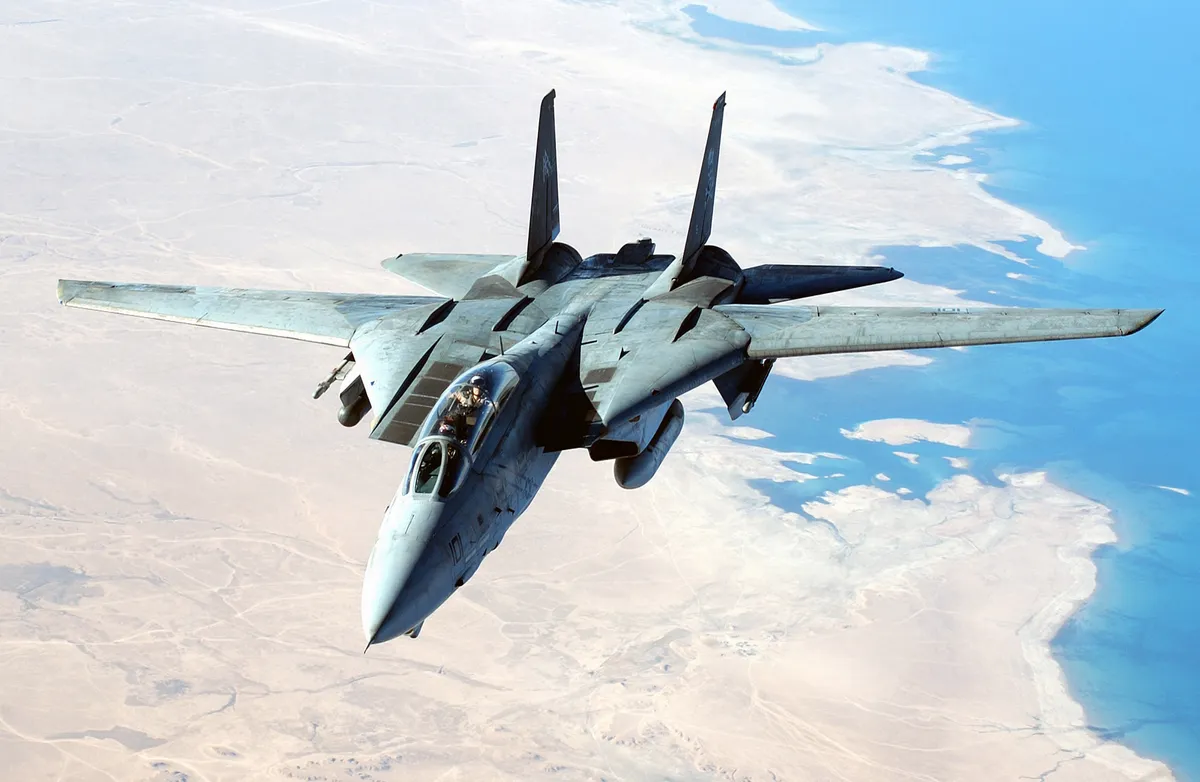
F-14 Tomcat
The F-14 Tomcat was the Navy's ultimate interceptor — designed to protect carrier groups from Soviet bomber swarms at ranges exceeding 100 miles. Those variable-geometry wings let it fly fast when swept or carrier-qualify when spread. The Tomcat's AWG-9 radar and Phoenix missiles gave it capabilities nothing else matched. Top Gun made it a cultural icon, but the aircraft's performance made it a legend.
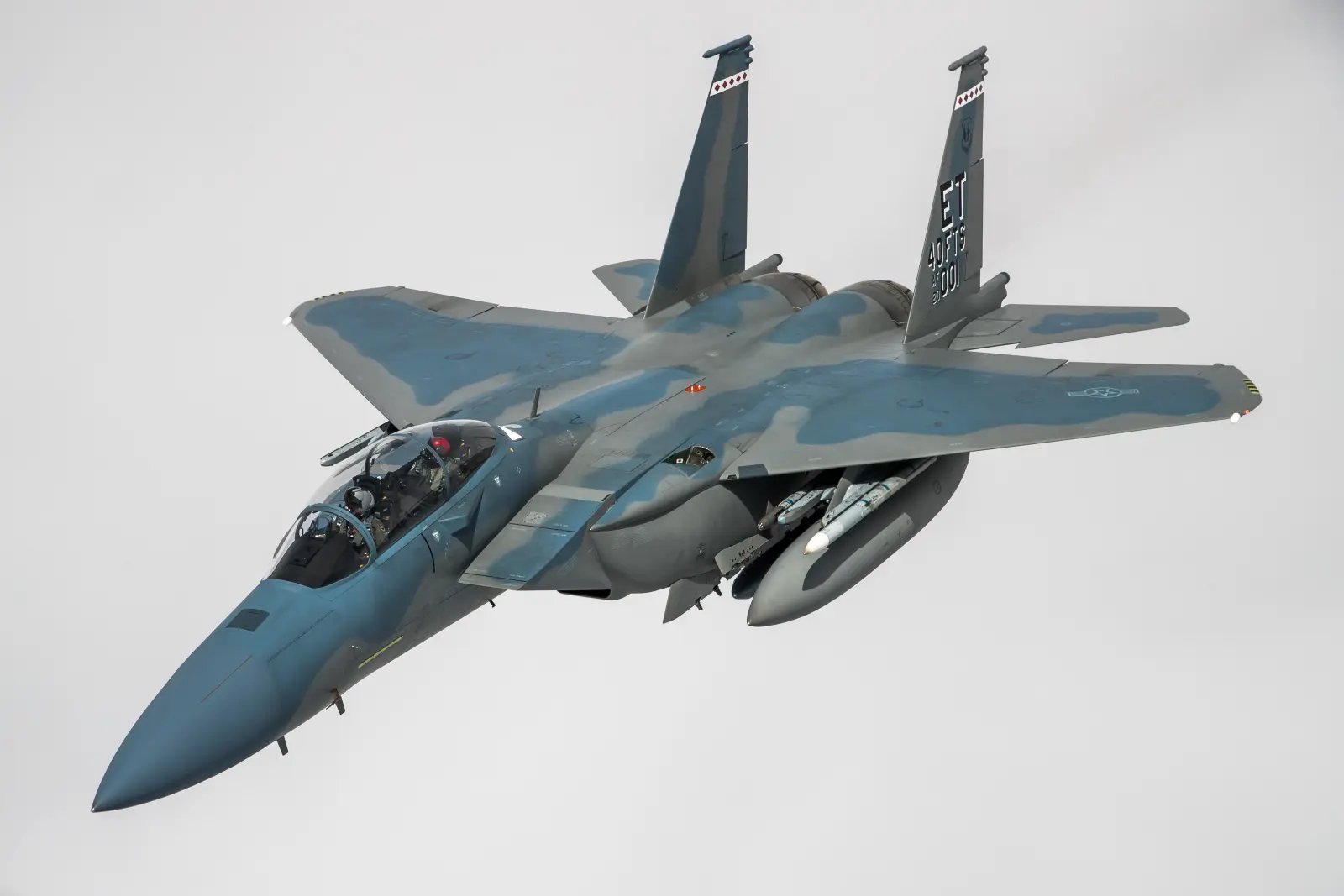
F-15 Eagle
The F-15 Eagle was designed with one mission: air superiority, no compromises. It came out of the Vietnam experience where American fighters struggled against smaller, more agile MiGs. The result was a big, powerful, twin-engine fighter with a massive radar and the ability to carry more missiles than anything before it. Then someone proved it could drop bombs too — the Strike Eagle was born. The air-to-air record speaks for itself: 104 kills, zero losses. No other fighter in history comes close.
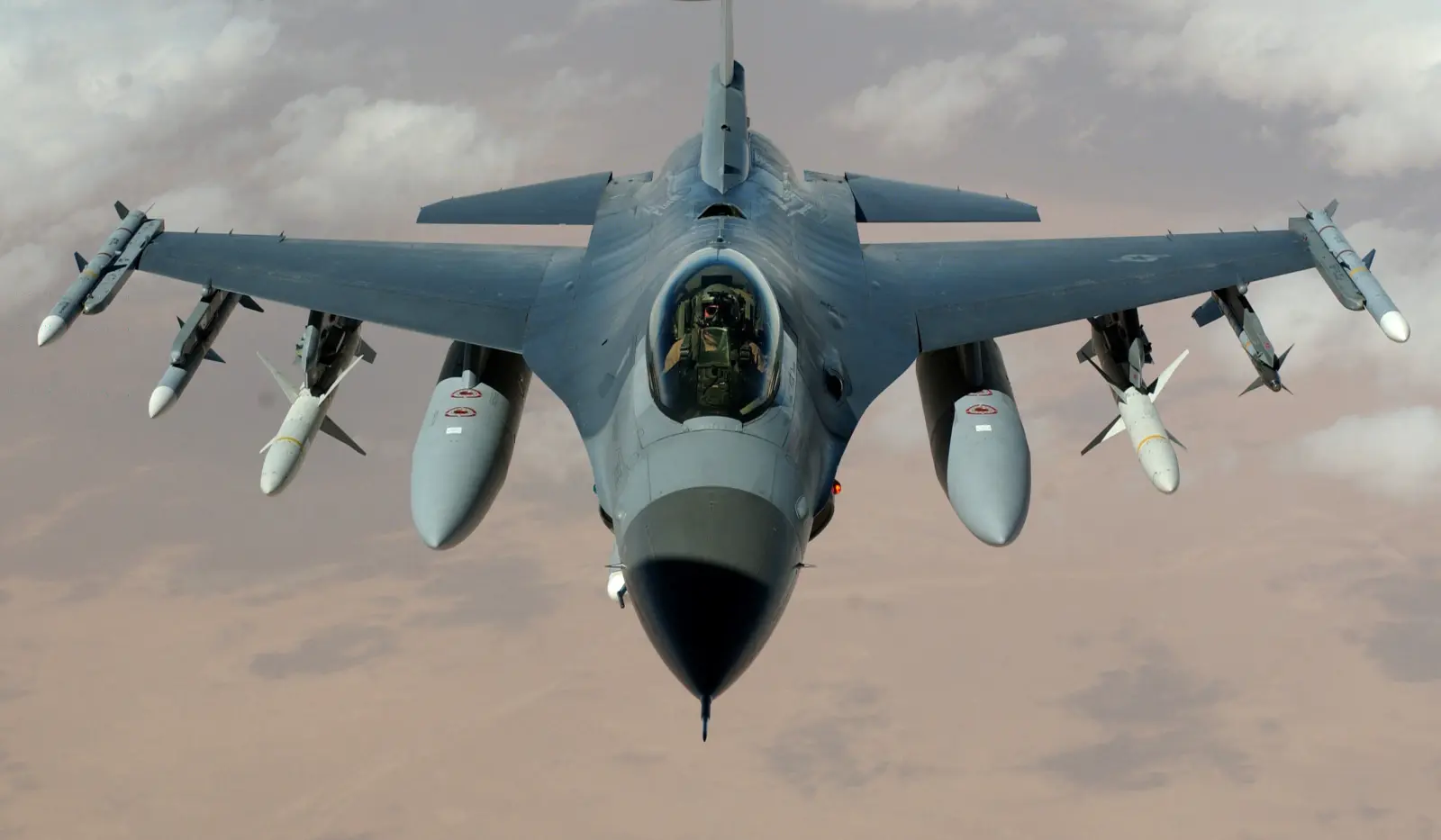
F-16 Fighting Falcon
The F-16 was never supposed to exist. The Fighter Mafia — a group of Pentagon reformers — pushed for a small, cheap, agile fighter when the Air Force wanted nothing but expensive F-15s. General Dynamics won the Lightweight Fighter competition with a jet that rewrote the rules. Fly-by-wire controls, a reclined ejection seat, a frameless bubble canopy with unmatched visibility. The Viper (as pilots call it) became the most prolific Western fighter of the Cold War era. Over 4,600 built, 25+ nations, still in production.
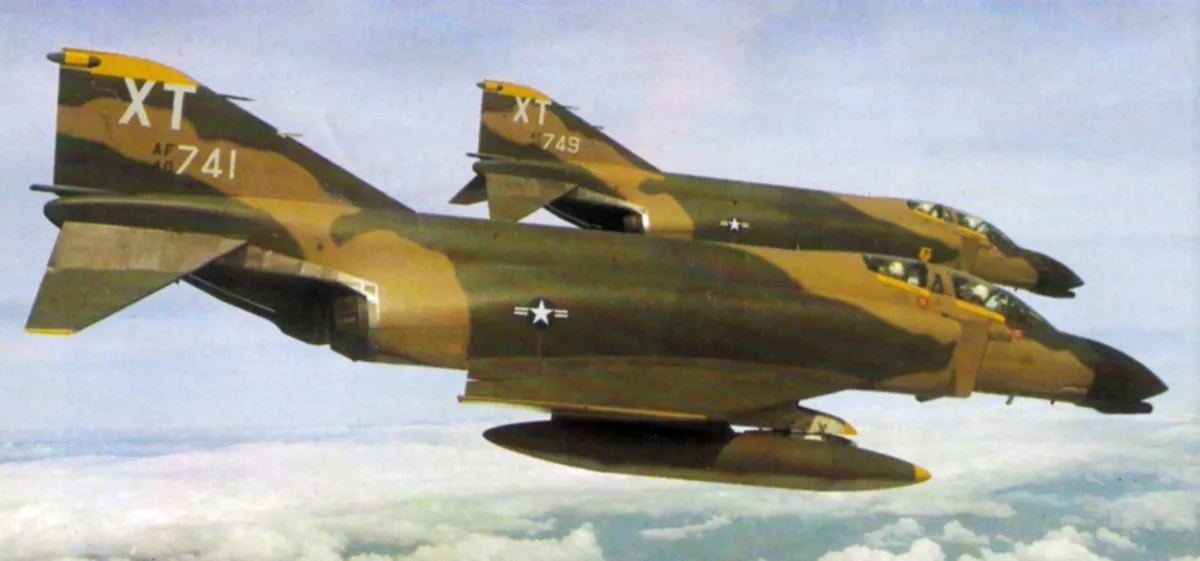
F-4 Phantom II
The F-4 Phantom II was the do-everything fighter of the Cold War. Navy interceptor, Air Force fighter-bomber, Marine close support, Thunderbirds demonstration bird, Wild Weasel SAM hunter. McDonnell Douglas built over 5,000 of them. The Phantom served in Vietnam, the Six-Day War, Desert Storm, and conflicts around the world. Ugly, loud, smokier than a freight train — but devastatingly effective.
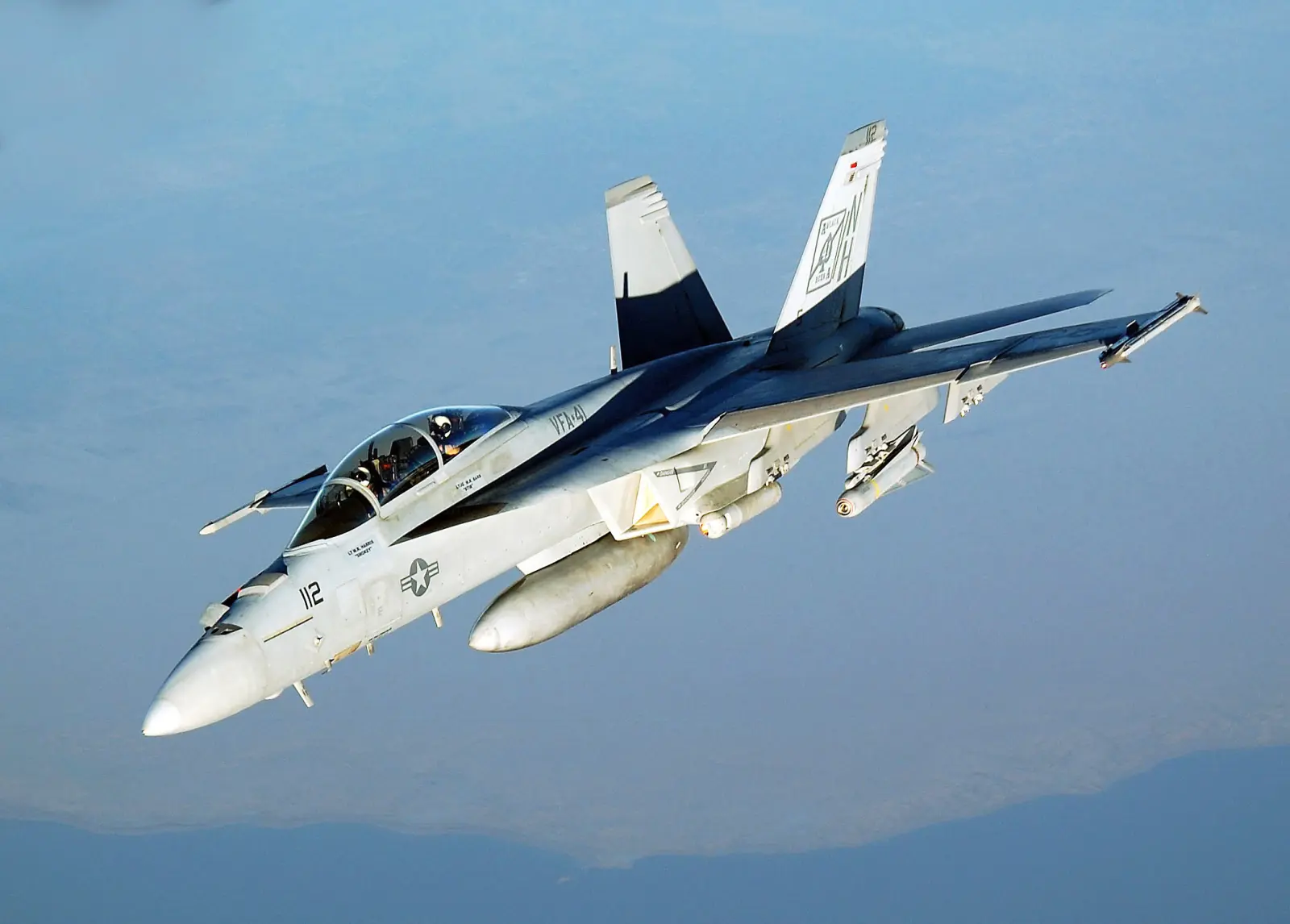
F/A-18 Hornet
The Hornet was born from a loser. Northrop's YF-17 lost the Lightweight Fighter competition to the F-16, but the Navy needed a new carrier fighter and didn't want a single-engine jet on the boat. McDonnell Douglas took the YF-17 design, strengthened it for carrier ops, and created the F/A-18 — the first true multi-role fighter. That 'F/A' designation means it's equally lethal air-to-air and air-to-ground, switching roles with the flip of a switch. The Super Hornet (E/F) grew the airframe and became the Navy's everything aircraft after the F-14 retired.
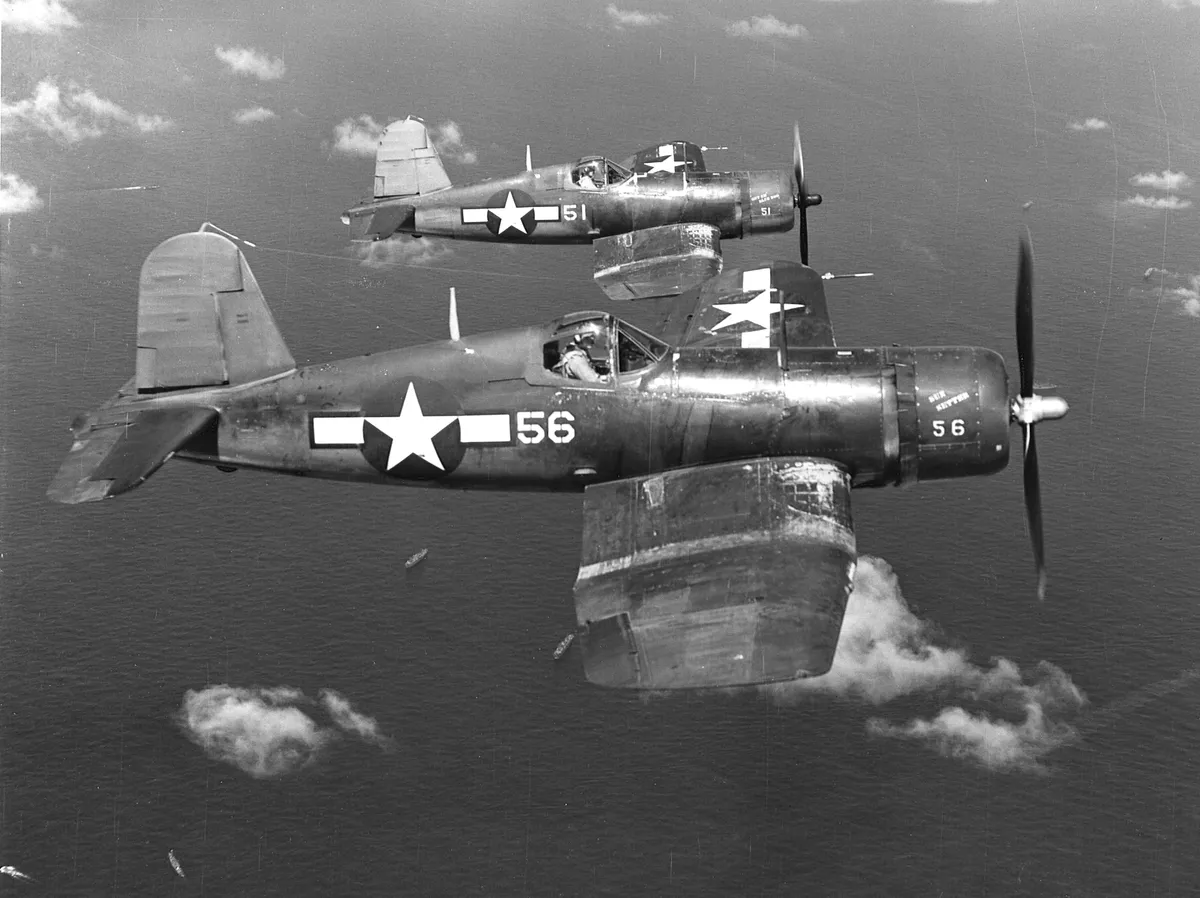
F4U Corsair
The Corsair was the fastest and most powerful carrier fighter of WWII. That distinctive inverted gull wing cleared the massive propeller while keeping landing gear short for carrier operations. The Navy initially rejected it for carrier use — too dangerous — so the Marines took it and made it legendary at Guadalcanal. Pappy Boyington's Black Sheep flew Corsairs. The Japanese called it 'Whistling Death.'
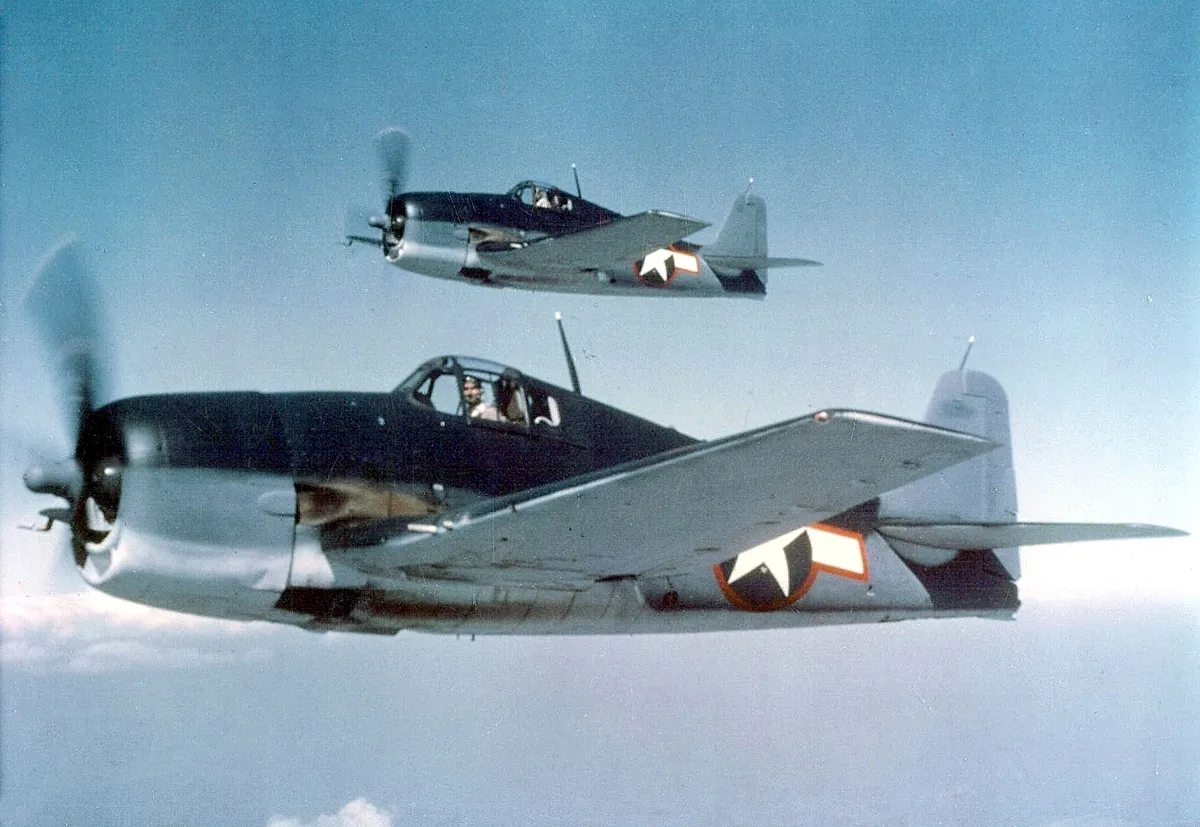
F6F Hellcat
The F6F Hellcat was the aircraft that broke Japanese naval aviation. Grumman designed it specifically to counter the Zero — heavier, better armored, with superior performance above 15,000 feet. Hellcat pilots achieved a 19:1 kill ratio against Japanese aircraft. The Great Marianas Turkey Shoot saw Hellcats down over 350 Japanese aircraft in a single day. The Pacific air war was won by this aircraft.
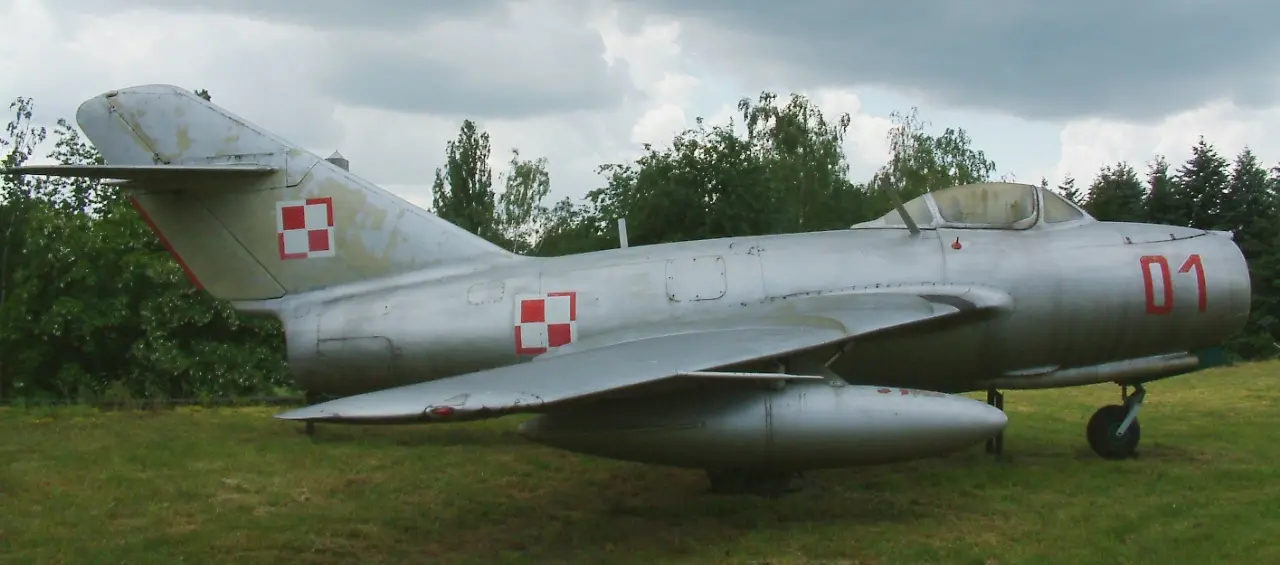
MiG-15
The MiG-15 was the wake-up call. When it appeared over Korea in November 1950, American pilots in straight-wing F-80s and F-84s suddenly found themselves outclassed by a swept-wing Soviet jet that could climb faster, fly higher, and turn tighter than anything they had. The USAF rushed the F-86 Sabre to Korea to counter it. The resulting duels over MiG Alley became the first jet-versus-jet air war. Over 13,000 MiG-15s were built — more than any other jet fighter in history. It armed the Soviet Union, China, and dozens of allied nations. The MiG-15 didn't just change air combat. It proved the Soviet Union could build world-class fighters.
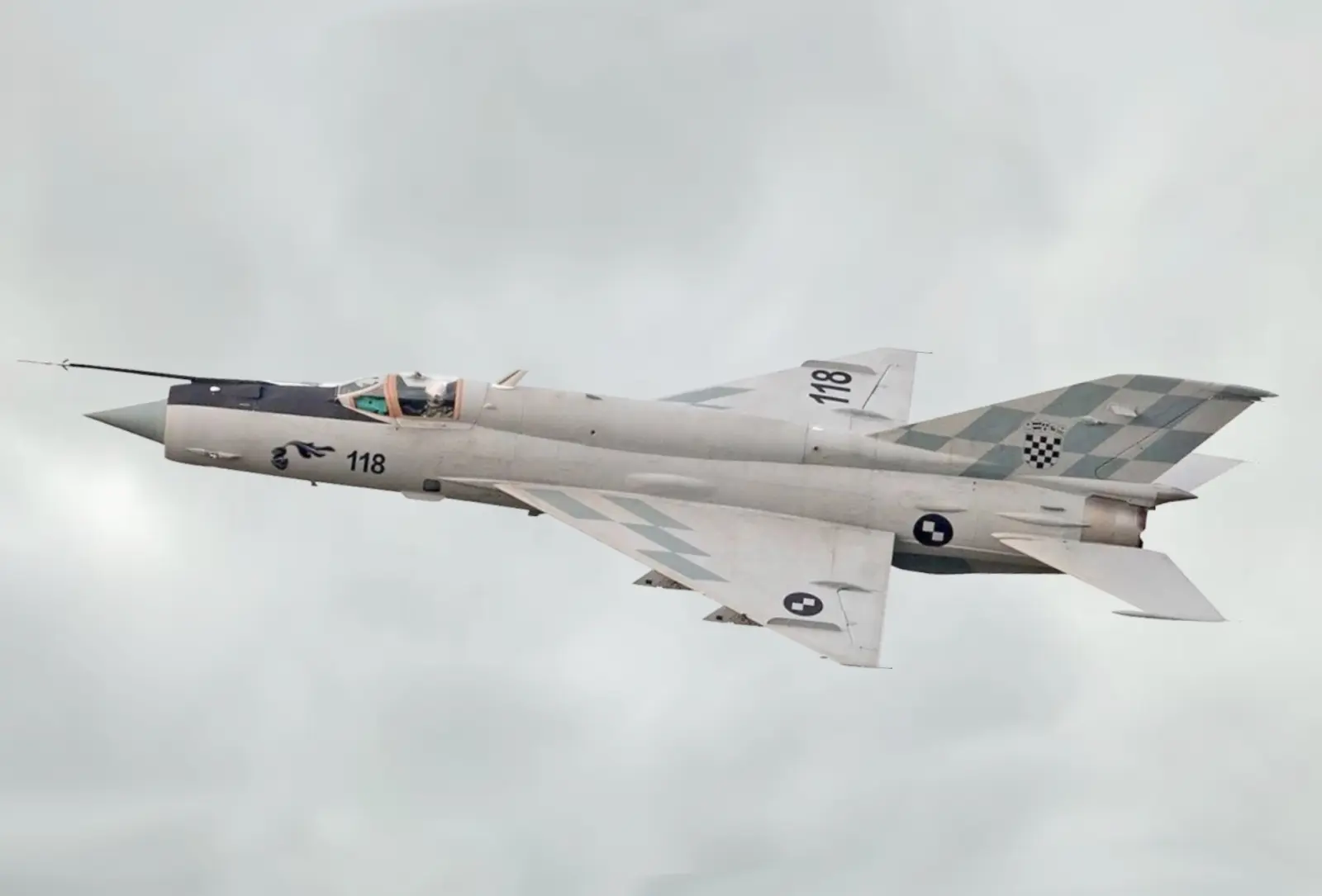
MiG-21
The MiG-21 is the AK-47 of fighter jets. Small, cheap, simple, and built in staggering numbers. Over 11,000 produced — more than any other supersonic aircraft in history. It fought in Vietnam against American Phantoms, in the Middle East against Israeli Mirages, in India-Pakistan wars, in Africa, and in nearly every other conflict of the Cold War era. It armed 60+ nations. Some are still flying combat missions today. No other supersonic jet has seen more wars, served more air forces, or been produced in greater numbers.
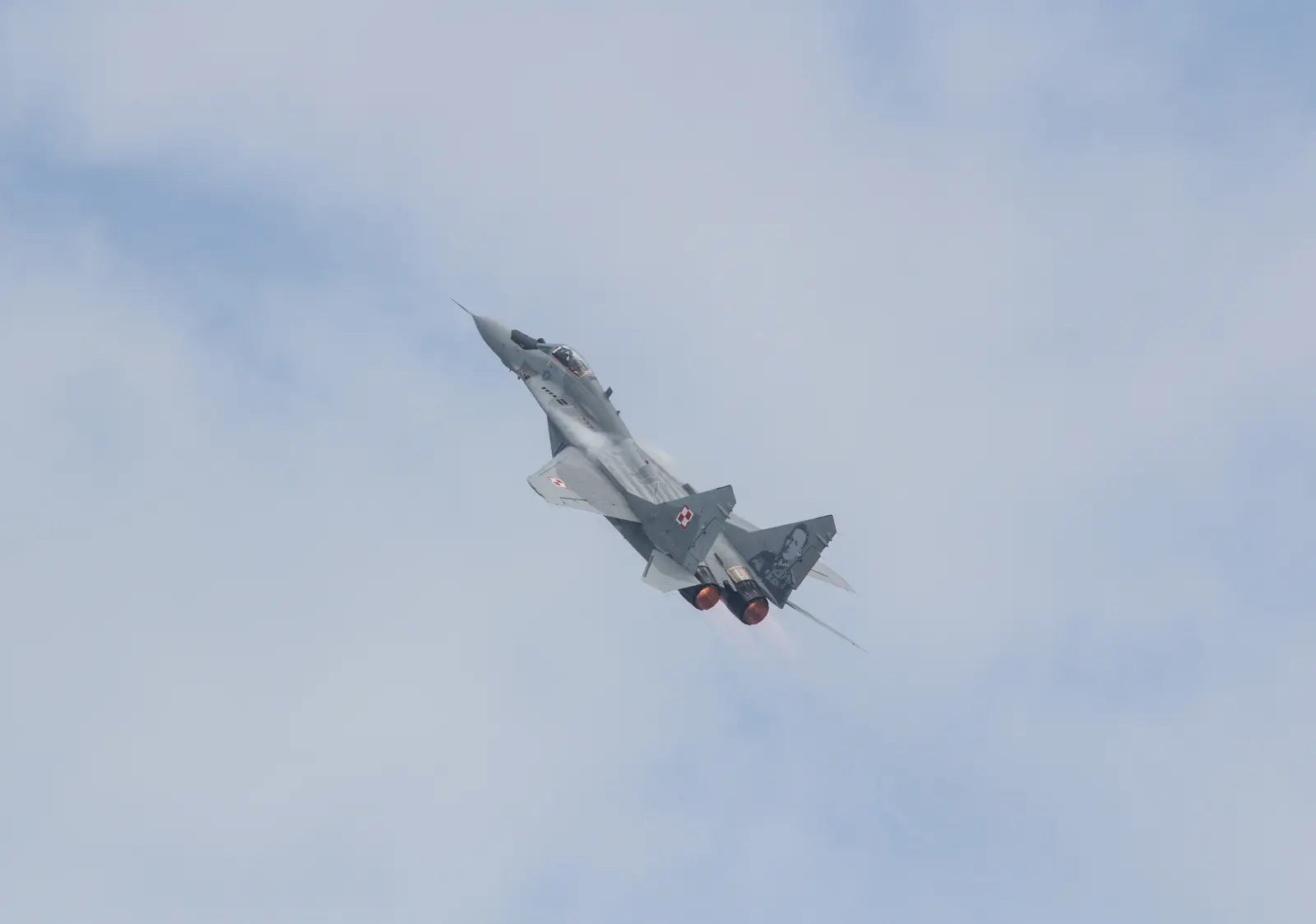
MiG-29
The MiG-29 was the Soviet answer to the F-15 and F-16 — a twin-engine air superiority fighter designed to meet Western fourth-generation jets head-on. When the Berlin Wall fell, NATO pilots finally got to fly against real Fulcrums. The verdict: terrifying in a close-range dogfight. The helmet-mounted sight and R-73 missile combination meant a MiG-29 could shoot at you from angles Western fighters couldn't match. The Fulcrum changed how NATO thought about air combat.
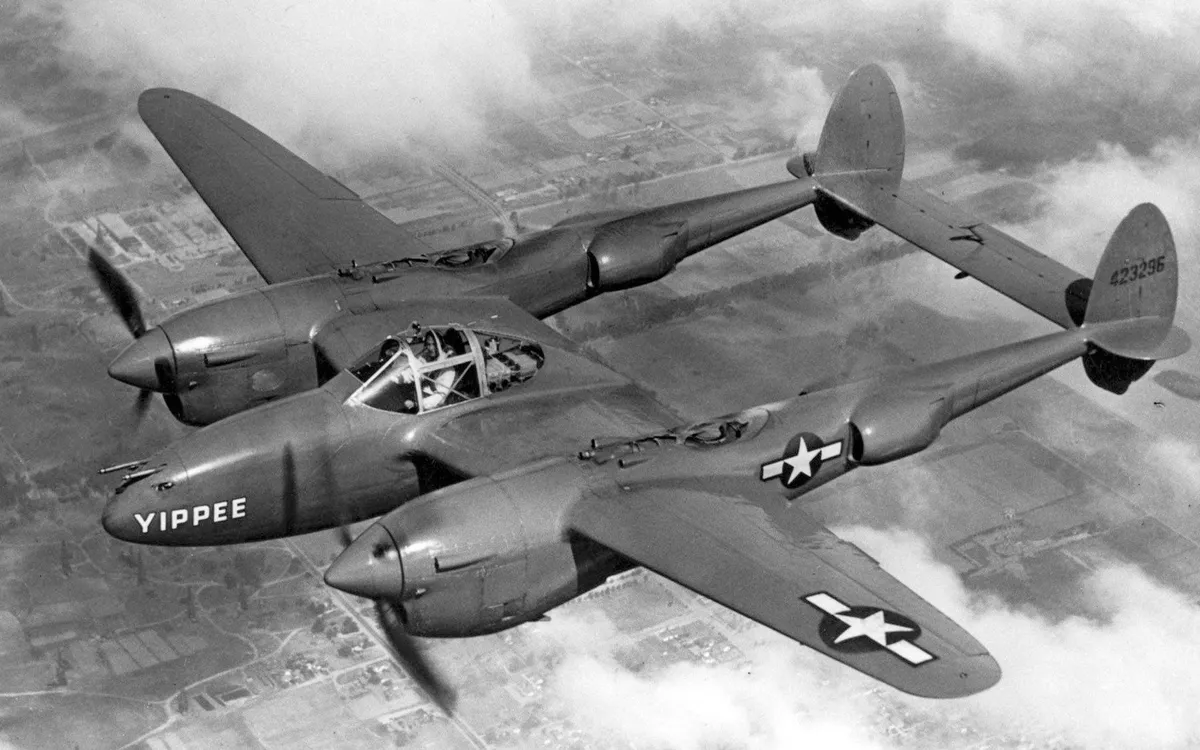
P-38 Lightning
The P-38 Lightning was America's deadliest fighter in the Pacific. Its distinctive twin-boom design made it instantly recognizable — and feared. Richard Bong and Thomas McGuire, the two top American aces of all time, both flew Lightnings. The aircraft that shot down Admiral Yamamoto was a P-38. In Europe, German pilots called it 'der Gabelschwanz-Teufel' — the fork-tailed devil.
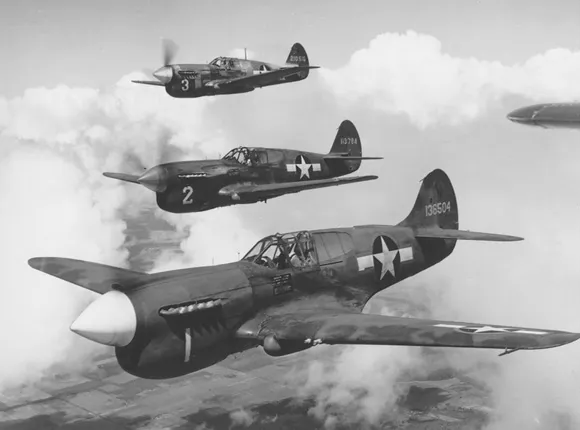
P-40 Warhawk
The P-40 Warhawk was America's frontline fighter when the war started. While it wasn't the fastest or highest-climbing, it was available in numbers when nothing else was. The Flying Tigers made it legendary, painting shark mouths on those distinctive air intakes and racking up an impressive kill ratio over China and Burma. The P-40 held the line until better aircraft arrived.
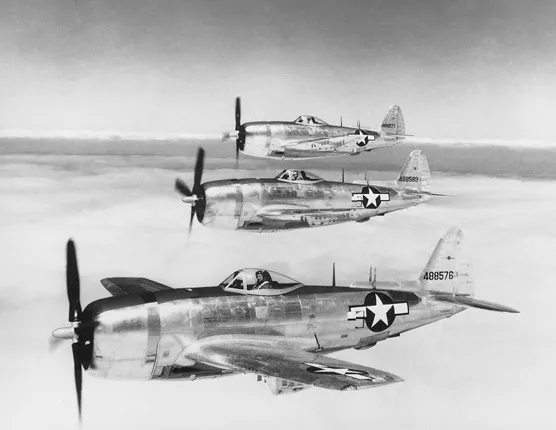
P-47 Thunderbolt
The P-47 Thunderbolt was the biggest, heaviest, and most powerful single-engine fighter of WWII. Republic built it like a tank — the Jug could absorb punishment that would destroy other fighters and still bring its pilot home. Eight .50 caliber machine guns could destroy anything on the ground. The aircraft accounted for more German aircraft destroyed than any other American fighter.
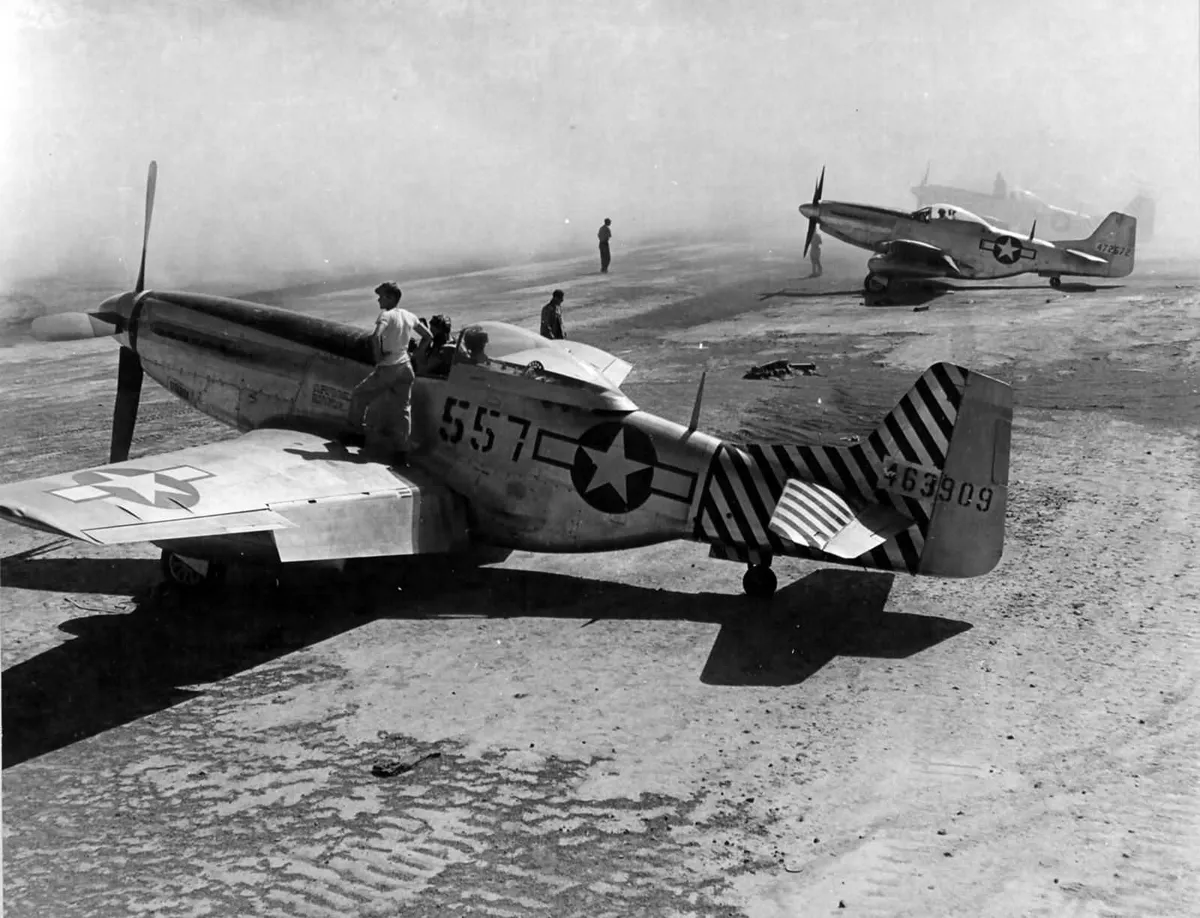
P-51 Mustang
The P-51 Mustang was the fighter that won the air war over Europe. When the British Merlin engine replaced the original Allison, it transformed from a good aircraft into a legend. The Mustang could escort bombers all the way to Berlin and back — something the Luftwaffe never expected. That range, combined with its performance at altitude, broke the back of German air defense. The distinctive rumble of that Merlin engine is the sound of victory.