Adrenalized Submariners: The Human Cost of Long-Duration Flight
Pressure suits, tube feeding, frostbite, chemical toilets, and shift sleeping at Mach 3. What it actually cost to be inside these machines.
Aviation history loves the machines. The specs, the records, the engineering breakthroughs. What it usually leaves out is what happened to the people inside them. This guide is about the human dimension — the physical toll, the psychological weight, and the mundane suffering that accompanied the extraordinary. Some of these crews froze. Some baked. Some spent 44 hours in a cockpit the size of a phone booth. All of them climbed in knowing exactly what it would cost.
High-Altitude Isolation: The Solo Endurance Test
At 70,000 feet, the sky is black and the curvature of the Earth is visible below. The U-2 pilot sits alone in a pressure suit for twelve hours, eating through a tube in the helmet, unable to scratch an itch or shift position. The SR-71 crew had each other, but they were sealed in pressure suits at Mach 3, separated by the length of the aircraft, communicating through helmet mics while the canopy reached 600 degrees. These weren't combat missions in the traditional sense — no one was shooting at them (usually). The enemy was time, altitude, and the human body's refusal to cooperate with the demands placed on it. U-2 pilots lost five to eight pounds per mission from dehydration alone. SR-71 crews described the thermal stress as being slow-cooked from the outside in.
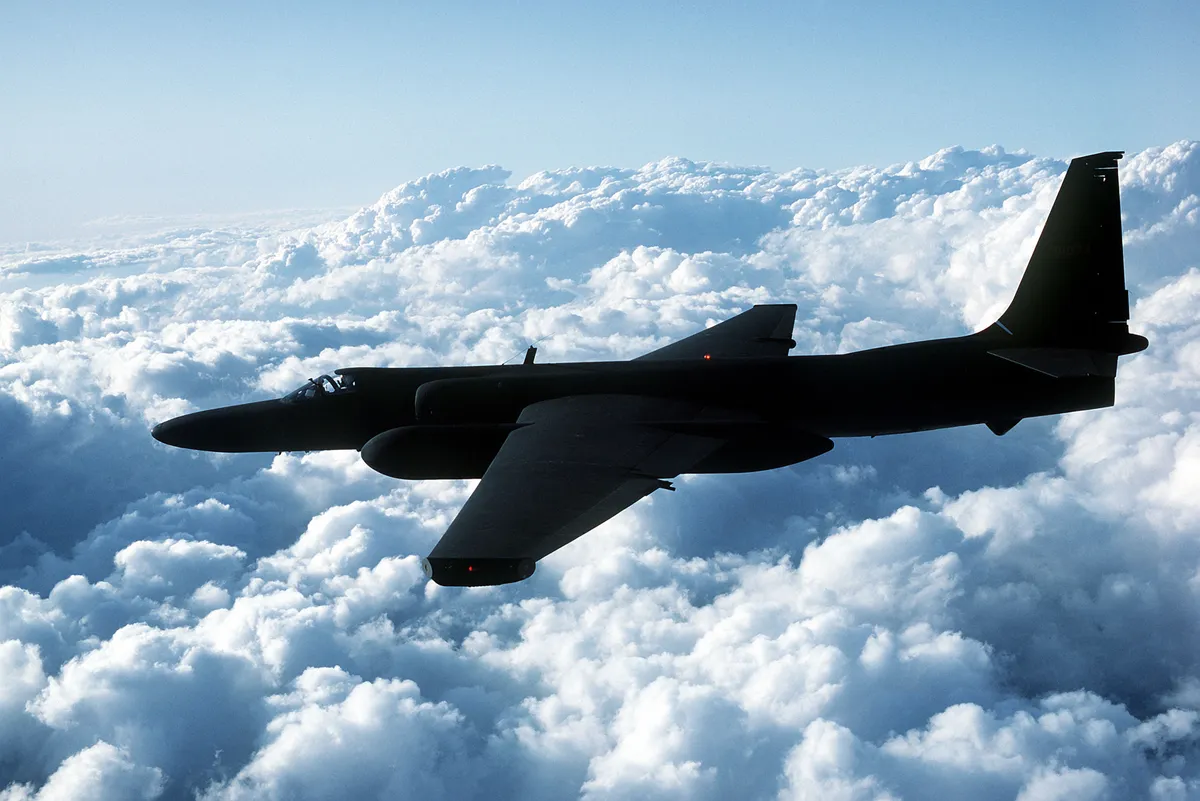
U-2 Dragon Lady
Kelly Johnson's Skunk Works built the U-2 in 80 days — a high-altitude reconnaissance platform that could overfly the Soviet Union with impunity. Until Gary Powers was shot down in 1960. The U-2 discovered Soviet missiles in Cuba, triggering the Cuban Missile Crisis. Remarkably, the aircraft is still flying, upgraded and still invaluable for intelligence gathering.
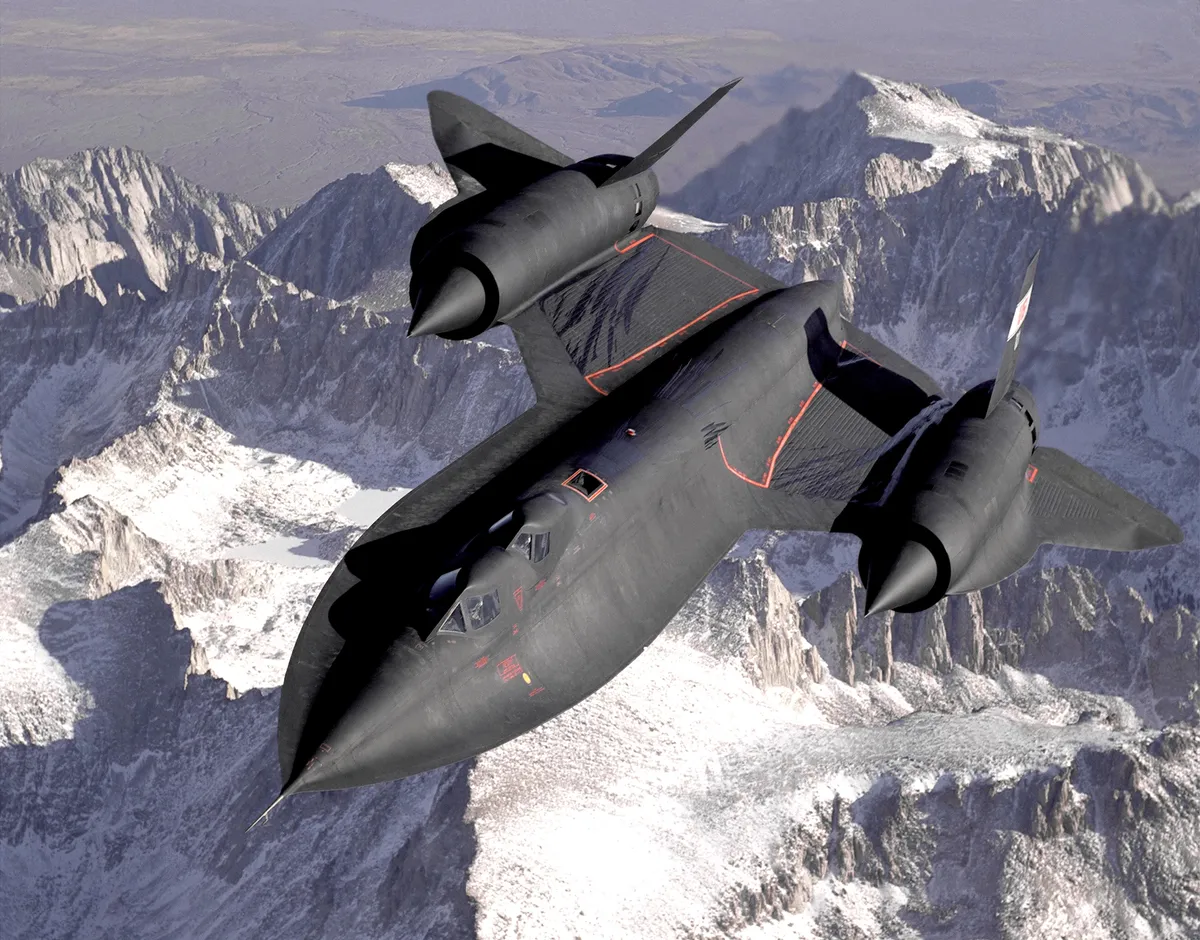
SR-71 Blackbird
The SR-71 Blackbird still looks like science fiction sixty years after its first flight. Kelly Johnson's Skunk Works built an aircraft that could cruise at Mach 3+ and 85,000 feet — so high and fast that no missile or interceptor ever caught one. The titanium skin expanded inches during flight from heat. It leaked fuel on the ground because seals only sealed at temperature. When the Air Force retired it in 1998, nothing could catch it. Nothing can today.
Formation Survival: The WWII Bomber Crew
The B-17 and B-29 represent two different versions of the same nightmare. The B-17 was unpressurized — ten men at 25,000 feet in minus-forty temperatures, breathing through oxygen masks, firing machine guns at fighters with frostbitten hands. The ball turret gunner curled in a glass sphere beneath the aircraft, unable to wear a parachute. The 8th Air Force suffered a 51 percent casualty rate. A standard tour was 25 missions. The math was not encouraging. The B-29 was pressurized and heated, which solved the frostbite problem and introduced the fire problem. The R-3350 engines were so prone to combustion that engine fires were treated as routine emergencies. The crew tunnel connecting the pressurized sections required crawling over the bomb bay on your stomach. The fire-bombing missions over Japan added a psychological dimension that the European theater didn't have — at 5,000 feet, you could smell the cities burning below.
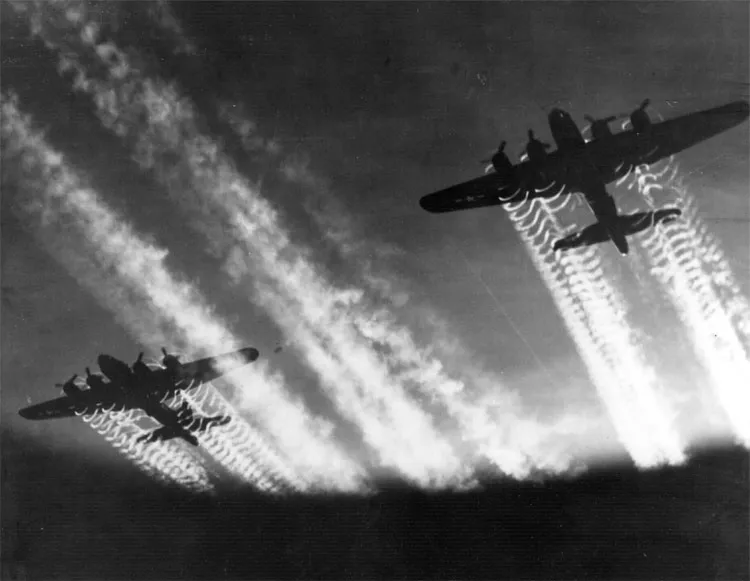
B-17 Flying Fortress
The B-17 Flying Fortress was the backbone of the American strategic bombing campaign over Europe. Crews gave them names, painted nose art, and flew them through flak that killed thousands. The aircraft earned its 'Fortress' name — stories abound of B-17s returning on one engine, with massive holes in the fuselage, bringing their crews home. The formation flying and daylight precision bombing that B-17s pioneered changed warfare forever.
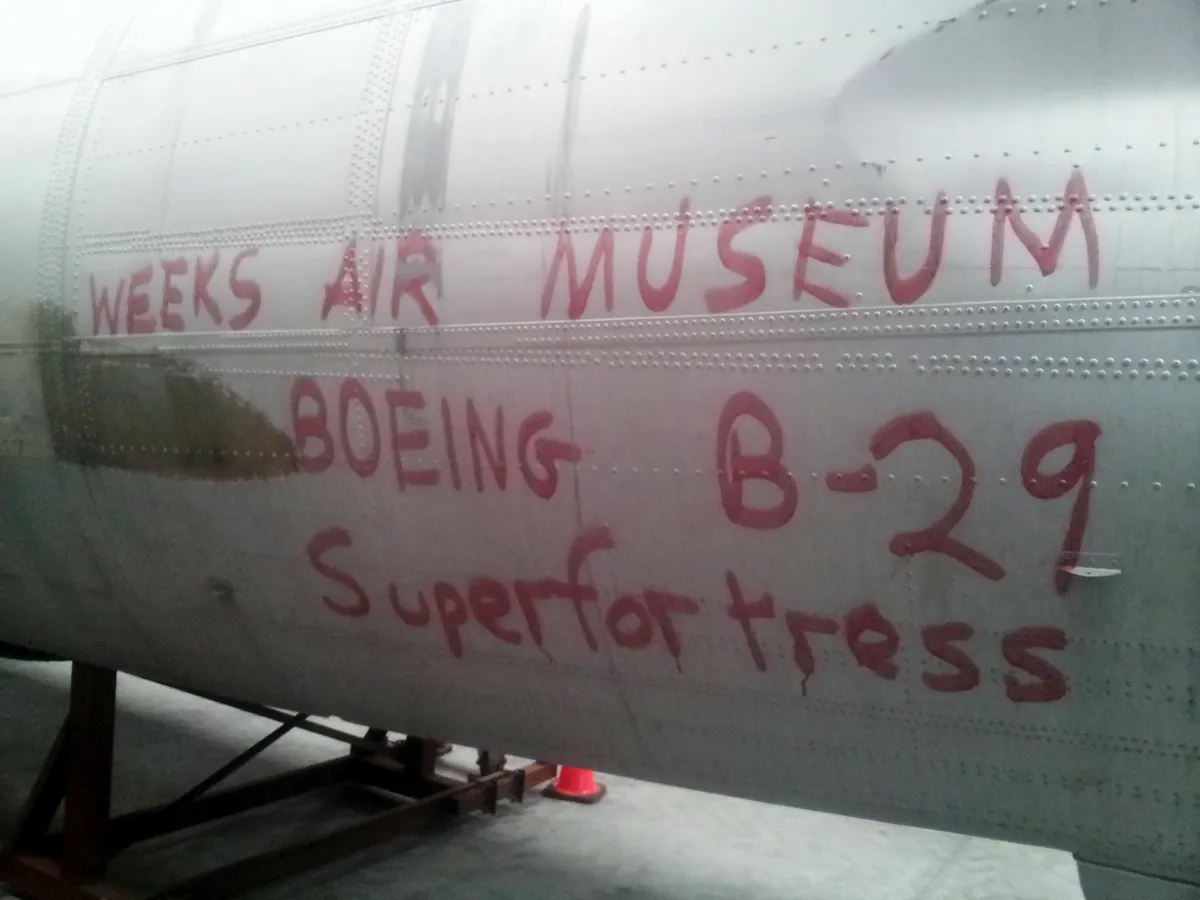
B-29 Superfortress
The B-29 Superfortress was the most technologically advanced aircraft of WWII — pressurized cabin, remote-controlled guns, central fire control. It was also the most expensive weapons program of the war, exceeding even the Manhattan Project. The Enola Gay and Bockscar, both B-29s, dropped the atomic bombs that ended WWII. No aircraft has ever carried more historic weight.
The Long Haul: Adrenalized Submariners
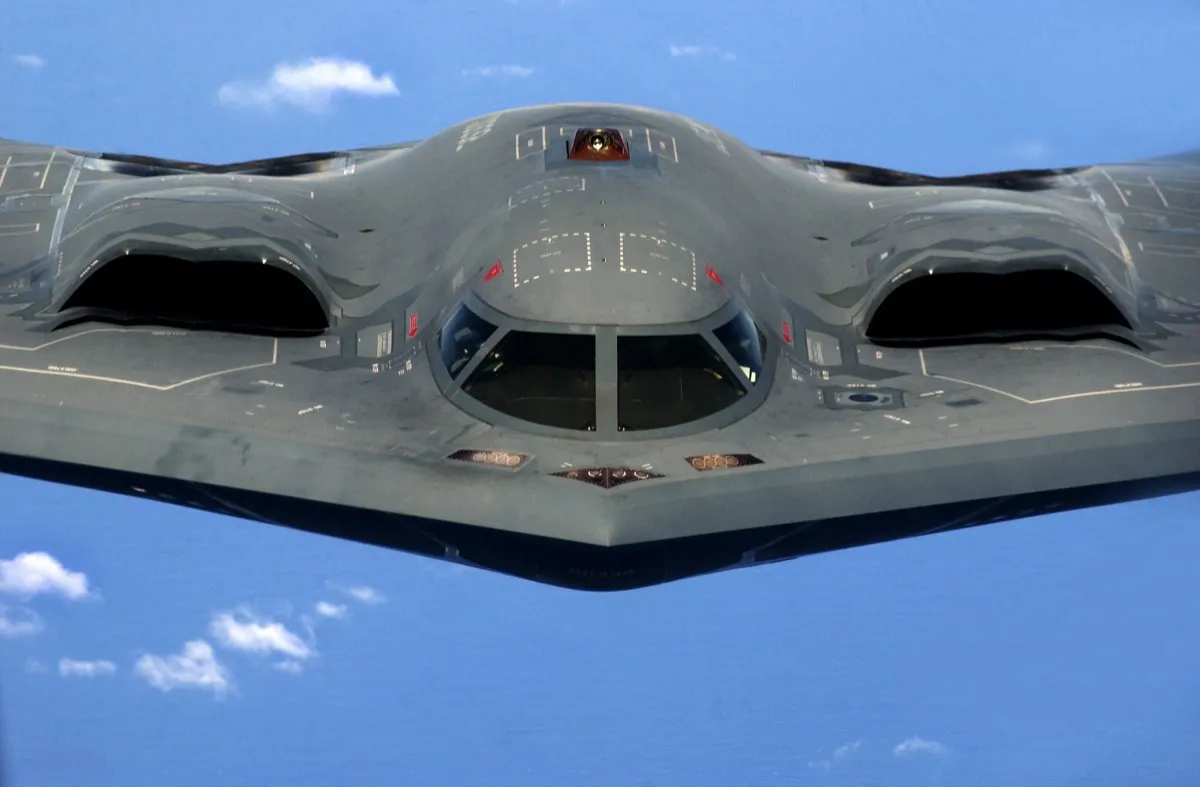
The B-2 Spirit crew coined the term. Thirty to forty-four hour missions, nonstop, from Missouri to the other side of the planet and back. Two pilots sharing one cot, eating cold rations, using a chemical toilet, shift-sleeping while the other flies a $2 billion flying wing. Nobody really sleeps. The sustained awareness that you're operating a nuclear-capable weapons platform, combined with the physical confinement and sleep deprivation, creates a state the crews compared to submarine duty compressed into two days. The B-2 is the extreme case, but long-duration flight has always extracted this toll. Strategic bomber crews in the Cold War practiced 24-hour airborne alert missions. Tanker crews flew marathon refueling tracks. The glamour of aviation fades somewhere around hour sixteen, when it's just you, the instruments, and the knowledge that you have to stay sharp for another twenty hours.
The Capsule: Spacecraft as Endurance Chambers
If bomber crews were confined, spacecraft crews were entombed. The Mercury capsule was so small that the astronauts described it as wearing the spacecraft rather than sitting in it. The Apollo Command Module gave three men 218 cubic feet for eight days — less than a walk-in closet. Privacy was nonexistent. The bathroom was a plastic bag. By day three, the smell was a crew member nobody talked about in the press conferences. Apollo 13 compressed the endurance test further: three men in a Lunar Module designed for two, rationing water to six ounces per day, cabin temperature at 38 degrees, condensation dripping from every surface. The Space Shuttle was luxurious by comparison — you could float around, there was a real toilet (sort of), and missions were usually under two weeks. But the Shuttle had no escape system. After Challenger, every crew member understood that if the solids failed in the first two minutes, nothing could save them. They flew anyway.
Mercury Spacecraft
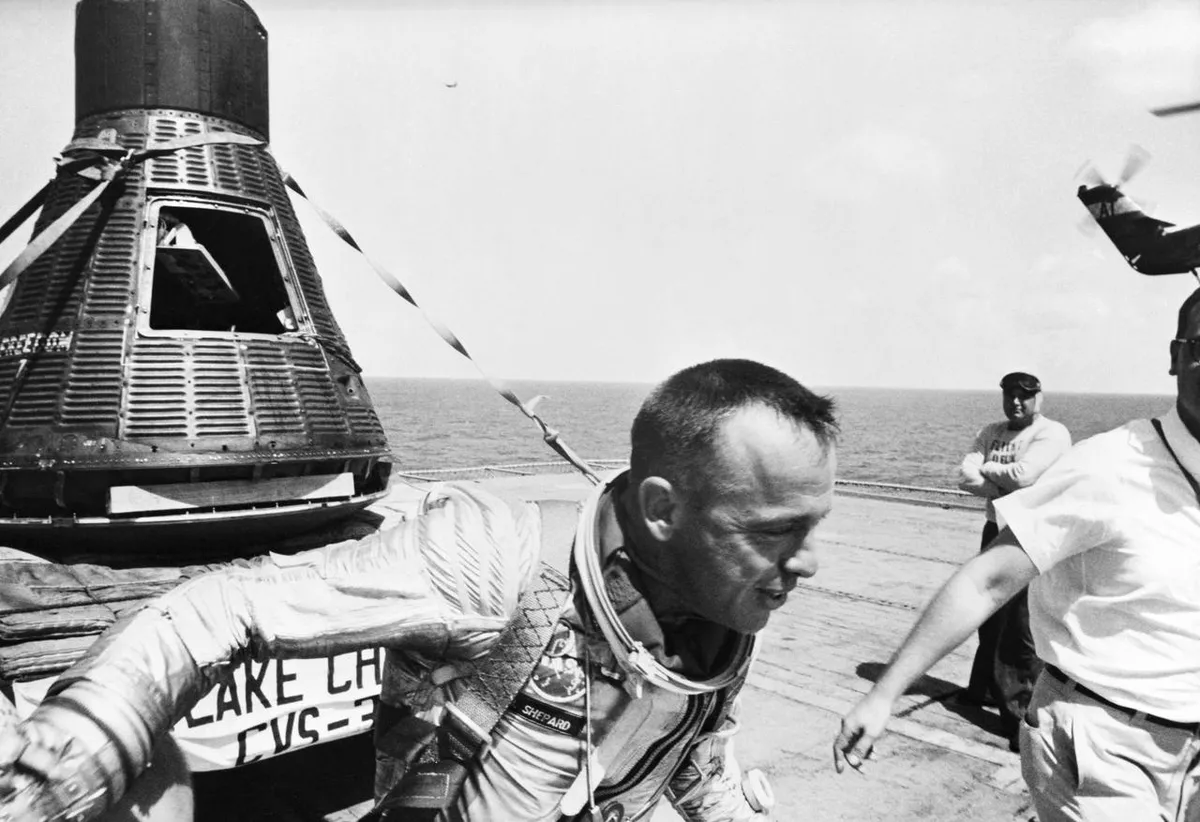
Mercury was America's first step into space. Alan Shepard became the first American in space aboard Freedom 7. John Glenn orbited the Earth in Friendship 7 and became a national hero. Each capsule was hand-built, each mission was a first. The Mercury Seven astronauts became the template for American heroism. Everything that came after — Gemini, Apollo, the Moon — started here.
Apollo Command Module
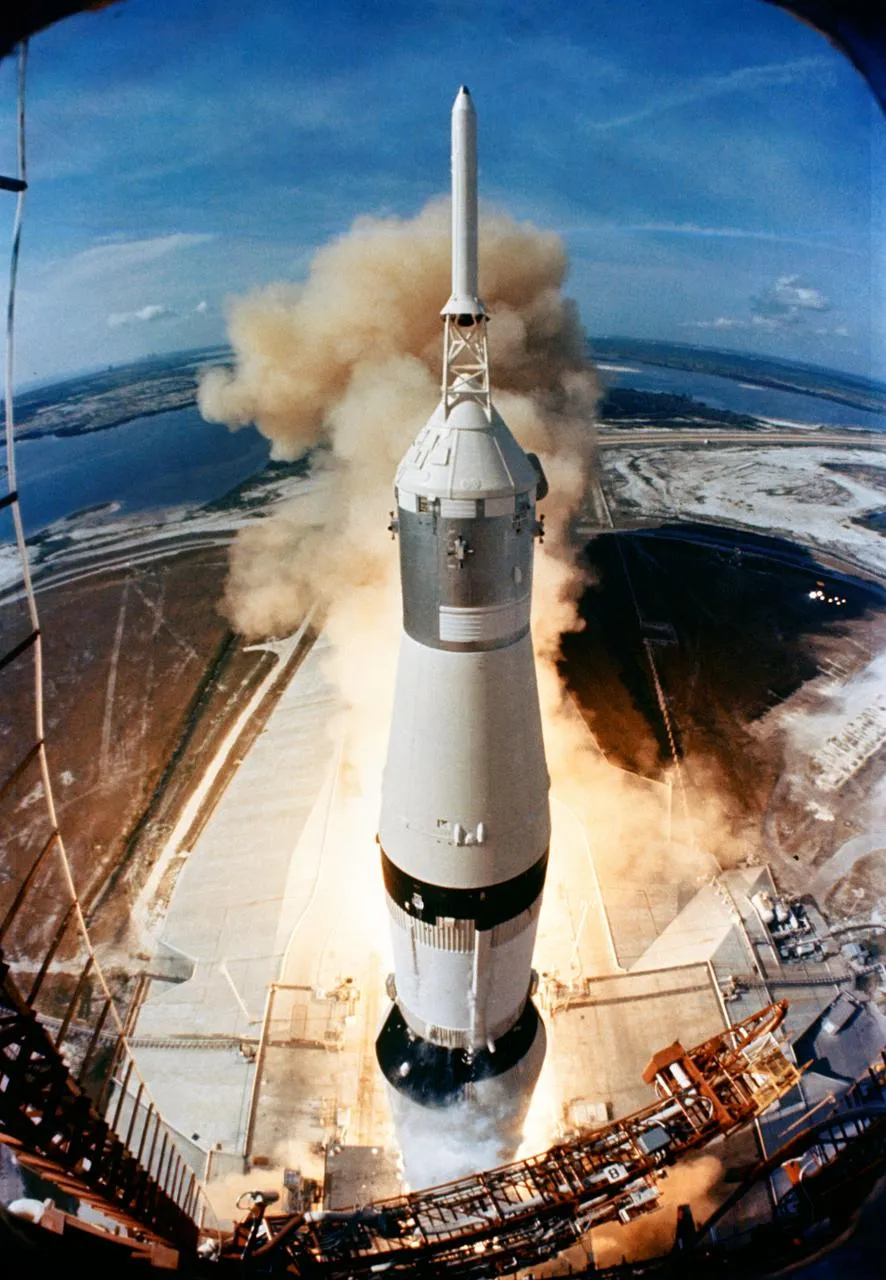
The Apollo Command Module brought astronauts home. Twelve humans traveled to the Moon and back in these conical spacecraft, surviving reentry at 25,000 mph. The ablative heat shield was designed to burn away — the charred exterior of a recovered capsule tells the story of human bodies protected from temperatures that would vaporize steel. Every recovered Command Module is a monument to what America accomplished when we decided to do something impossible.
Space Shuttle
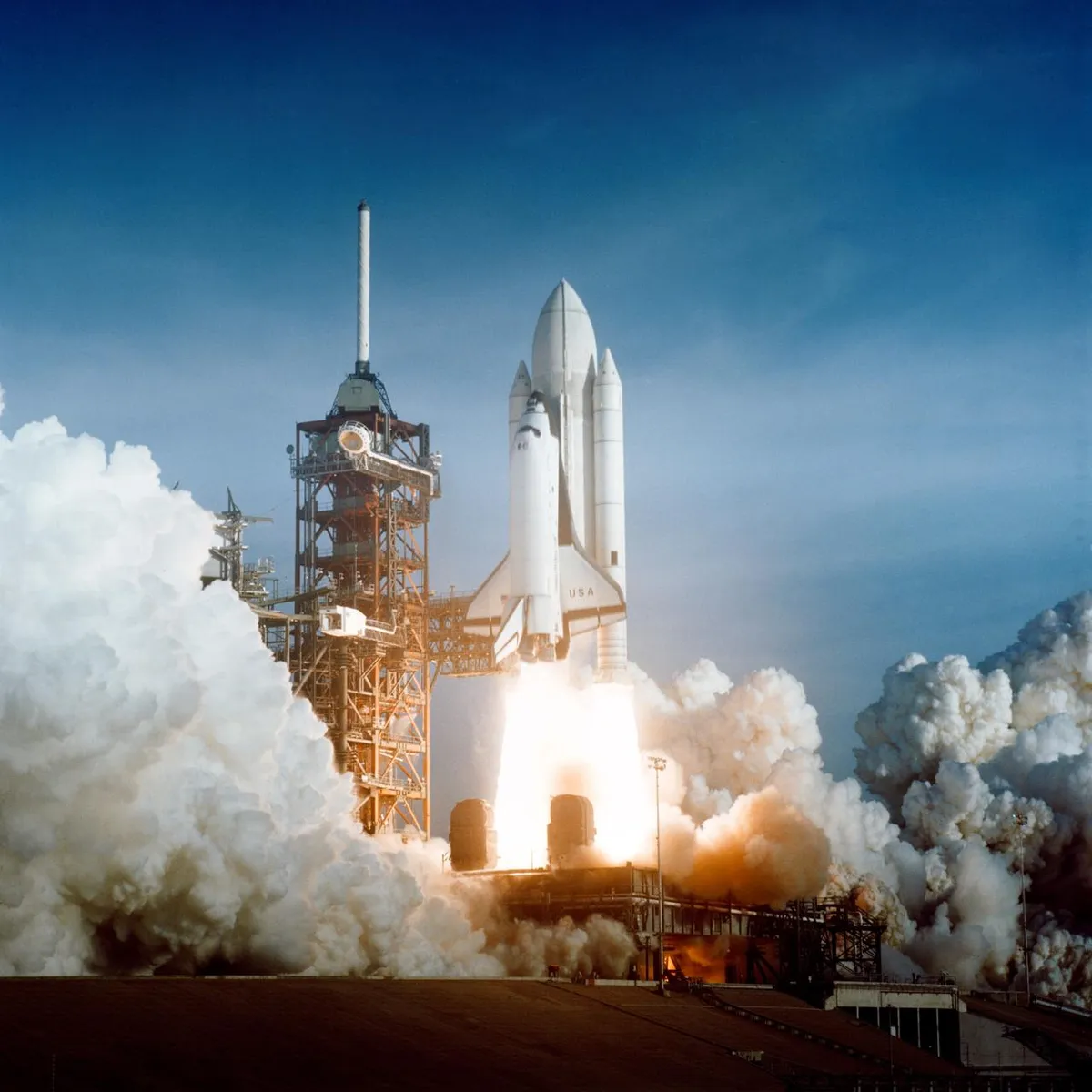
The Space Shuttle was supposed to make spaceflight routine. In some ways it did — 135 missions, the Hubble Space Telescope serviced, the International Space Station assembled. In other ways it didn't — Challenger and Columbia. But for 30 years, the Shuttle was human spaceflight. A generation grew up watching those launches. It remains the most complex machine ever built.
The bottom line
These machines were built to accomplish missions. The humans inside them were the part of the system that couldn't be engineered around. They froze, overheated, dehydrated, and endured confinement that would break most people. They did it repeatedly, voluntarily, often knowing the odds were against them. The U-2 pilot who loses eight pounds on every flight goes back up the next week. The B-17 crews who watched their friends die in the aircraft beside them flew the next morning. The B-2 crew that just spent 40 hours in a cockpit starts planning the next mission. That's the human dimension of aviation. Not just what these machines could do, but what it cost the people inside them to do it.