Aviation legends endure.
Warbirds, NASA spacecraft, and the machines that reached.
Aircraft
Manufacturers
Eras
Browse by Era
Browse by Category
Browse by Manufacturer
Featured Aircraft
View all 59 aircraft →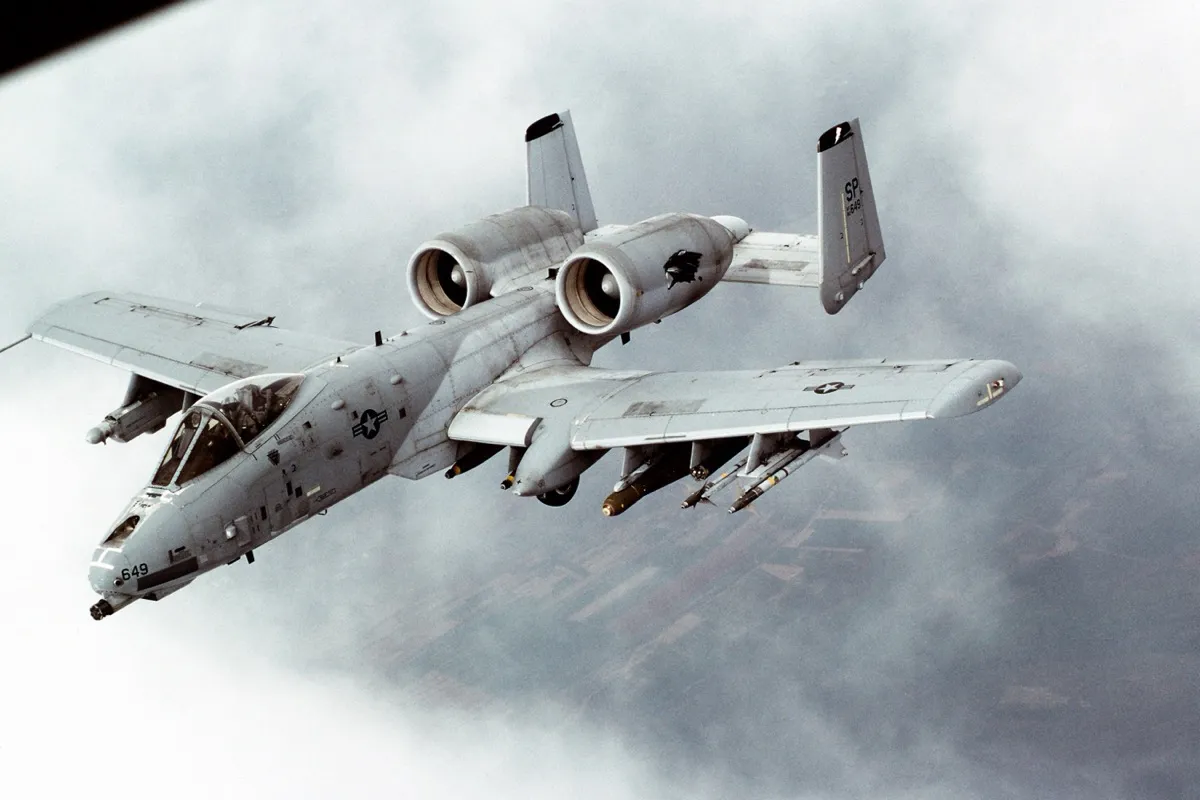
A-10 Thunderbolt II (Warthog)
The A-10 is the greatest close air support aircraft ever built, and it exists because the Air Force didn't want it. The Air Force wanted fast, sexy fighters. The Army wanted something slow and ugly that could kill tanks and stay over the battlefield long enough to matter. Pierre Sprey and the 'Fighter Mafia' reformers pushed the concept through institutional resistance, and Fairchild Republic built the thing around a 30mm cannon that fires depleted uranium rounds at 3,900 per minute. The BRRRT of that gun is the most recognized sound in modern warfare after the Huey's rotor. The Air Force has tried to kill the program repeatedly — too slow, too ugly, too single-mission. Every time they try, the A-10 goes to war and saves enough ground troops that Congress blocks retirement. It's been doing this since the Gulf War in 1991. The troops love it. The Air Force brass hate it. It won't die.
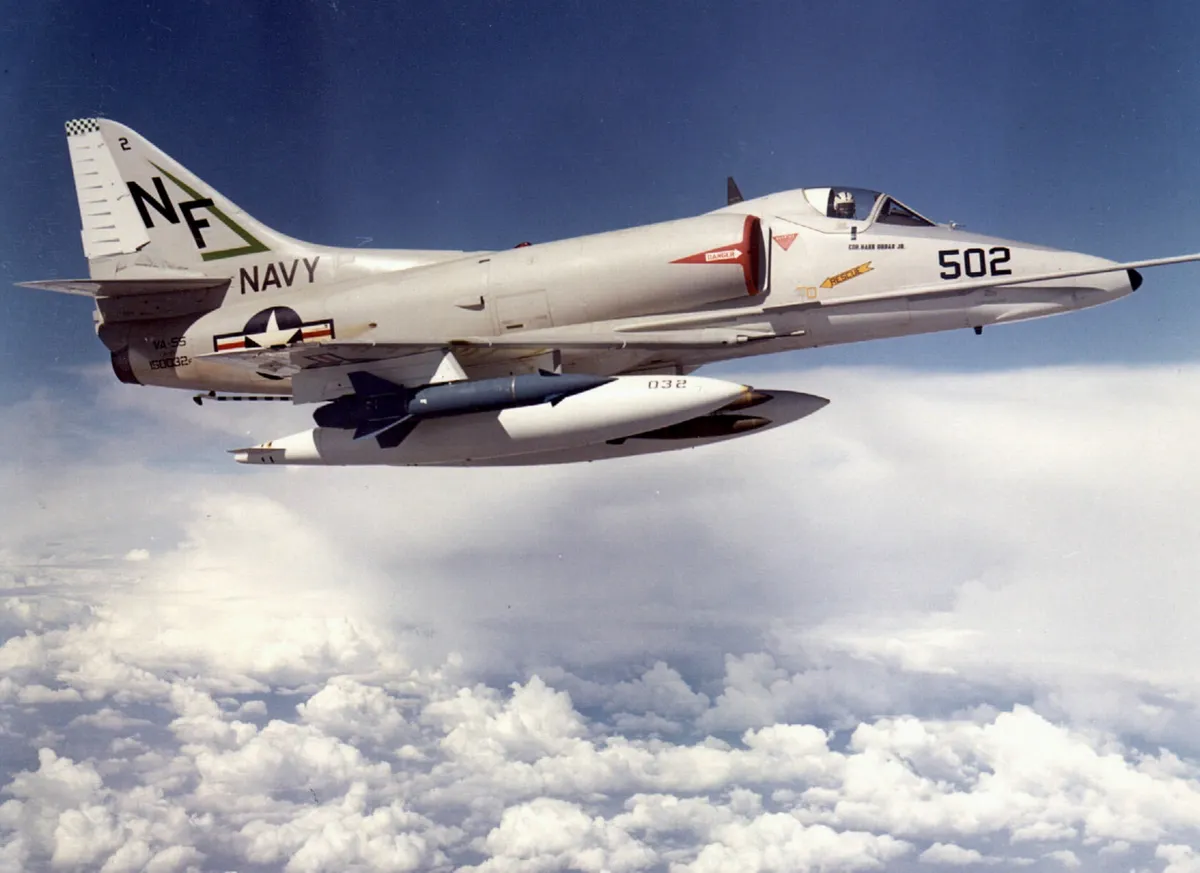
A-4 Skyhawk
Ed Heinemann was told the Navy wanted an attack aircraft half the weight of the A-1 Skyraider. He delivered one that was even lighter. The A-4 Skyhawk was so small it didn't need folding wings to fit on carrier elevators. It was cheap, rugged, and deadly effective. The Blue Angels flew it for 12 years. Israeli pilots flew it in combat. John McCain was shot down in one over Hanoi.
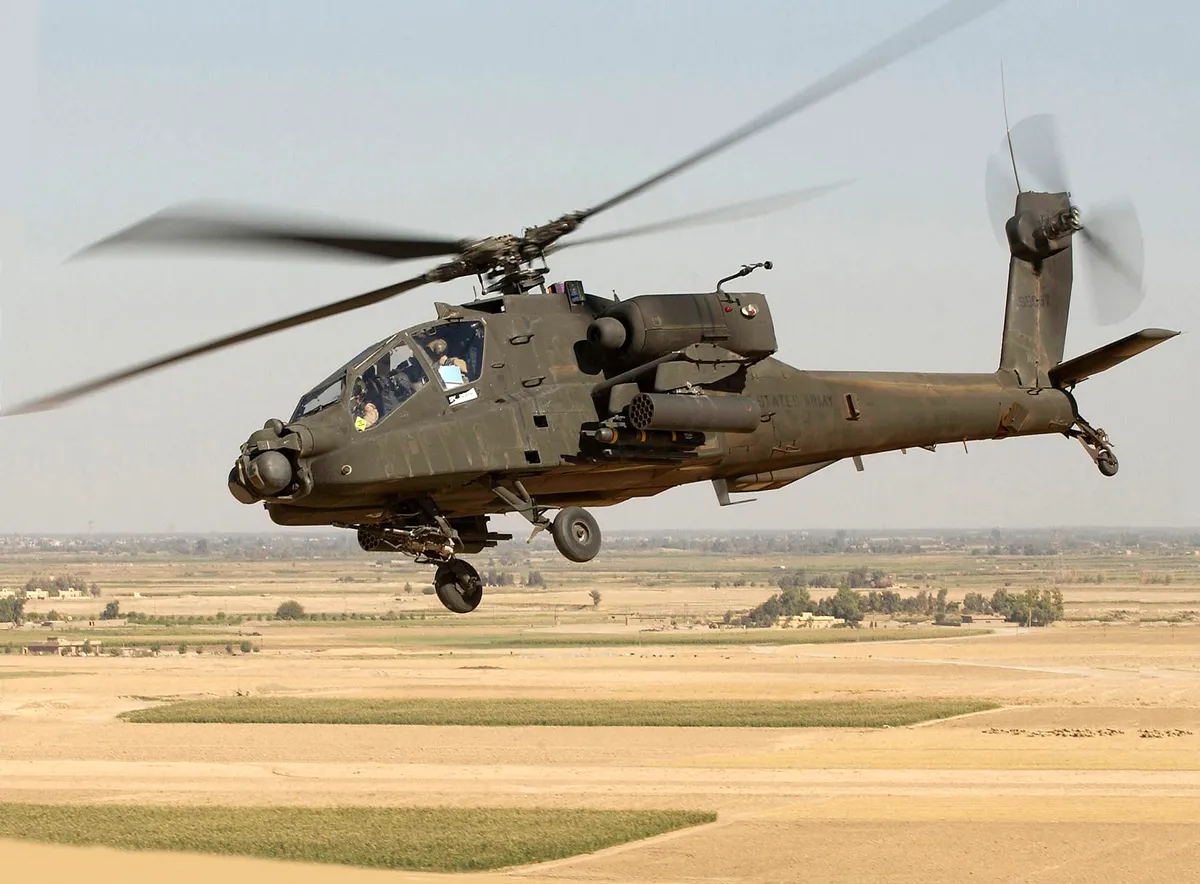
AH-64 Apache
The Apache is the world's most lethal attack helicopter. In Desert Storm, Apaches fired the opening shots of the air campaign, destroying Iraqi radar sites to create a corridor for strike aircraft. The Longbow radar-equipped variants can detect, classify, and prioritize 128 targets simultaneously. No other helicopter combines the sensors, weapons, and survivability of the Apache. It has redefined what rotary-wing aircraft can do on the battlefield.

Air Tractor AT-802
The AT-802 is what happens when agricultural aviation stops being folksy and starts being serious. Eight hundred gallons of payload, a turbine engine with 1,350 shaft horsepower, and the ability to operate off rough strips that would wreck anything with retractable gear. Air Tractor took everything learned from decades of ag flying and built the definitive working airplane. But the AT-802 didn't stop at farming. Strap floats on it and it becomes the Fire Boss, scooping water from lakes and dropping it on wildfires. The military looked at it and saw a light attack platform. Built in Olney, Texas by a company that Leland Snow started because he thought he could build a better crop duster. He was right. If you've driven past a field being sprayed anywhere in the world, there's a good chance it was an Air Tractor.
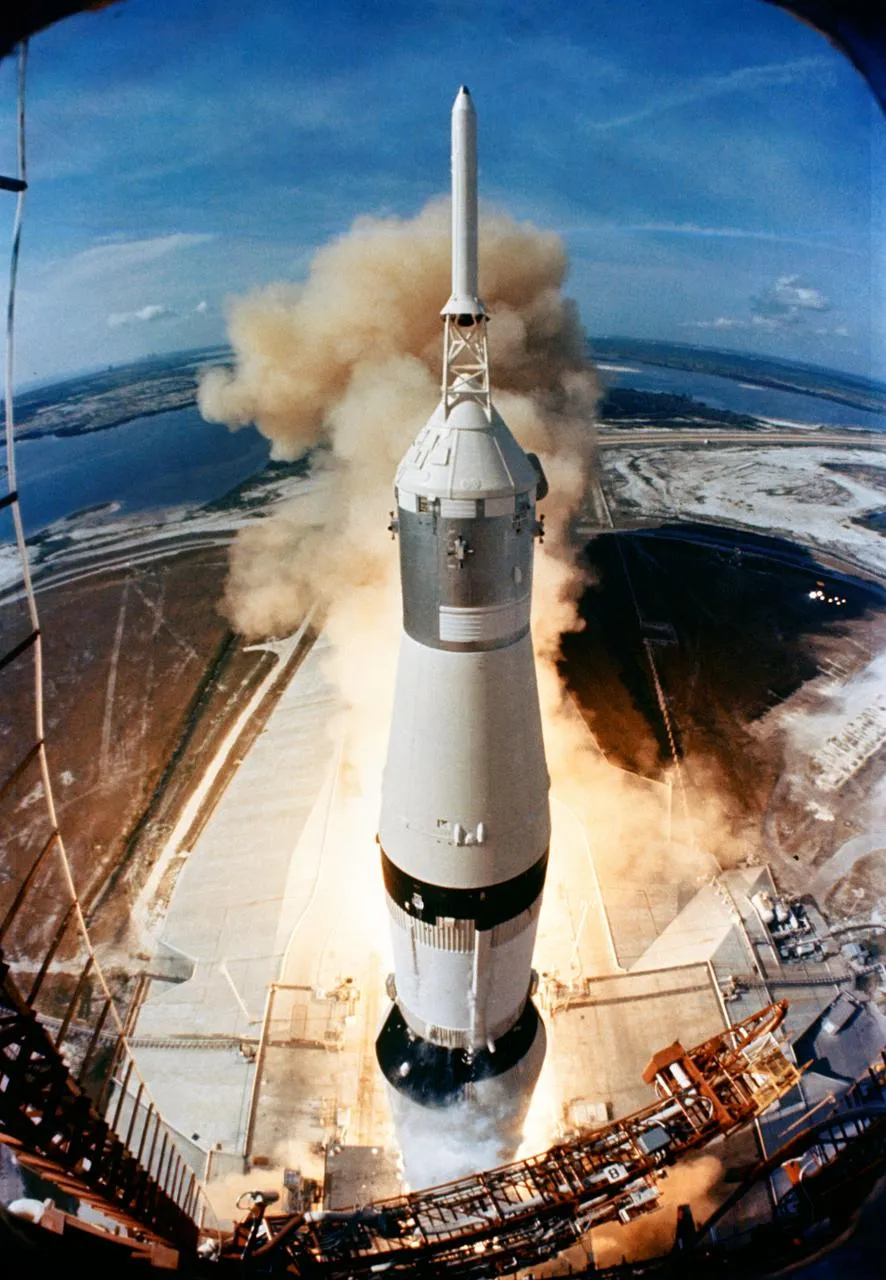
Apollo Command Module
The Apollo Command Module brought astronauts home. Twelve humans traveled to the Moon and back in these conical spacecraft, surviving reentry at 25,000 mph. The ablative heat shield was designed to burn away — the charred exterior of a recovered capsule tells the story of human bodies protected from temperatures that would vaporize steel. Every recovered Command Module is a monument to what America accomplished when we decided to do something impossible.
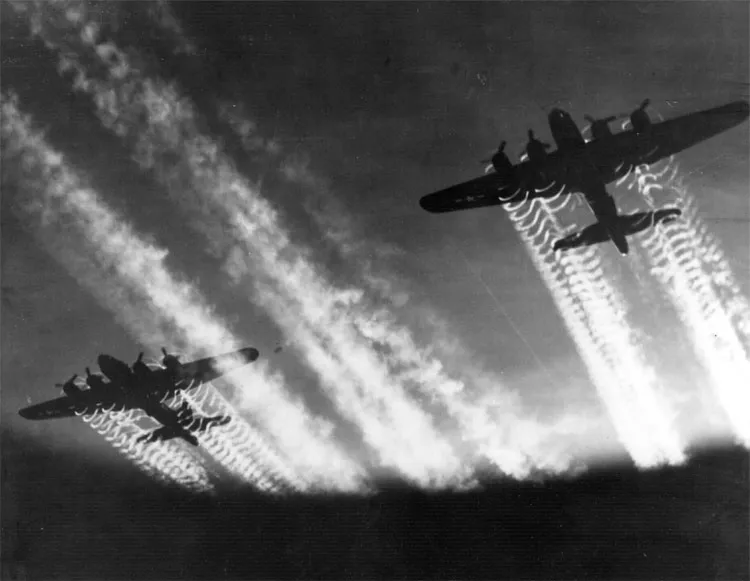
B-17 Flying Fortress
The B-17 Flying Fortress was the backbone of the American strategic bombing campaign over Europe. Crews gave them names, painted nose art, and flew them through flak that killed thousands. The aircraft earned its 'Fortress' name — stories abound of B-17s returning on one engine, with massive holes in the fuselage, bringing their crews home. The formation flying and daylight precision bombing that B-17s pioneered changed warfare forever.
Why aviation history
These machines reached. They pushed the boundaries of what humans could build, fly, and survive. Every rivet was placed by human hands. Every test flight was flown by someone willing to die for the dream.
The warbirds that remain airworthy are living history. The spacecraft that hang in museums are monuments to what we achieved when we decided nothing was impossible. They deserve to be remembered.